

Vohra Wound Physicians of FL: Who They Are and What to Know
If you searched Vohra Wound Physicians of FL, you’re probably staring at a bill, a referral letter, or an insurance statement with that name on it and wondering exactly who these people are. Maybe a family member was seen at a skilled nursing facility and you never actually met the physician. That confusion is normal, and it’s a common starting point for families trying to piece together who’s providing care for a loved one’s chronic wound.
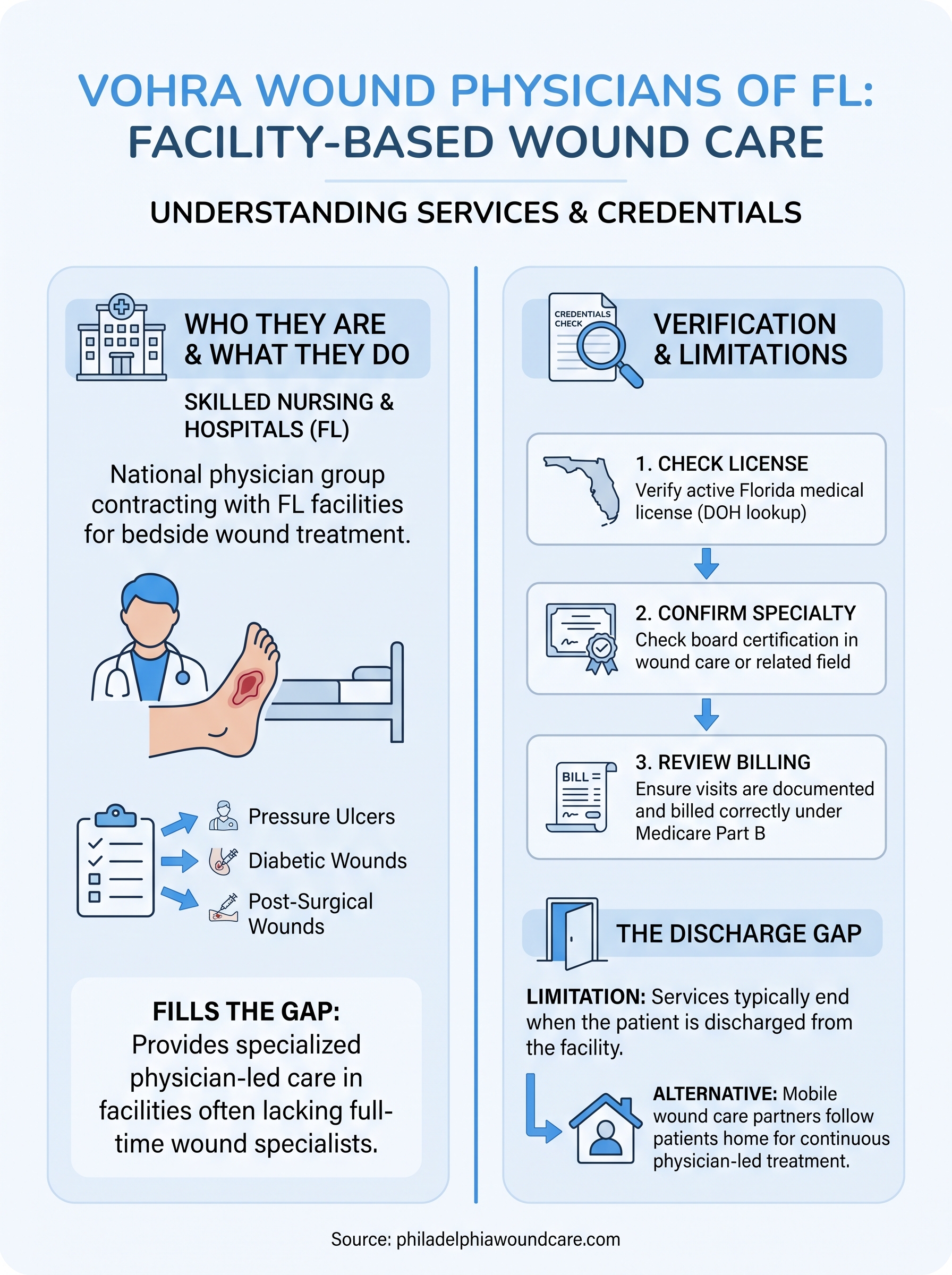
Here’s the short answer: Vohra Wound Physicians of FL LLC is part of a national wound care physician group that contracts with skilled nursing facilities and hospitals across Florida to provide bedside treatment for pressure ulcers, diabetic wounds, and post-surgical wounds. Below, we walk through their ownership structure, the services they bill for, and how patients and facility staff typically interact with them.
We’ll also cover billing questions and complaints patients raise most often, since that’s usually what brings people here in the first place. Whether you’re a caregiver trying to make sense of a statement or a facility administrator comparing wound care partners, this guide gives you the practical facts you need.
Why Vohra Wound Physicians of FL matters to patients
Chronic wounds don’t wait for convenient scheduling. A pressure ulcer left unchecked for even a few days can deepen, become infected, and send a patient straight back to the hospital. That’s the gap this physician group is built to fill inside skilled nursing facilities that often lack a dedicated wound specialist on staff. When you understand who’s actually treating your loved one, you’re better equipped to ask the right questions and track their progress.
The gap between hospital discharge and healing
Facilities rely on outside groups because most don’t employ a wound care physician full time. Nursing staff can change dressings, but they generally can’t order advanced treatments, debride tissue, or adjust a care plan the way a physician can. Vohra Wound Physicians of FL steps into that role, making rounds at contracted facilities to evaluate wounds that aren’t progressing under standard nursing care. For a family member with diabetes or limited mobility, that physician visit is often the difference between a wound that closes and one that lingers for months.
A wound that goes unchecked for two weeks can mean the difference between healing at home and a return trip to the hospital.
Why the name on the bill matters
Here’s where most of the confusion starts. Families see an unfamiliar name on a billing statement and assume something’s wrong, even when the charge is legitimate. Wound care physicians who bill under Medicare Part B are required to document each visit, the wound’s stage, and the treatment rendered, so the paperwork should always match an actual encounter. If you can’t recall the visit, or the dates and services don’t line up, that’s worth raising directly with the facility’s billing office or by reviewing your Medicare claims statement for accuracy. Knowing this upfront saves you from either dismissing a real problem or panicking over routine, covered care.
How to verify a wound care provider’s credentials
Before you accept a bill or trust a treatment plan, confirm that the physician actually holds an active medical license in Florida. Licensing verification takes less than five minutes and gives you real peace of mind. You can search any provider’s name through the Florida Department of Health’s license lookup, which shows license status, disciplinary history, and board certifications.
What to check beyond the license
Starting with a license search only gets you halfway there. Facility staff and family caregivers should also confirm the physician’s specialty training, since general practice and wound-specific expertise aren’t the same thing.
- Confirm the physician’s name matches the one on your bill or referral paperwork
- Check for board certification in wound care, general surgery, or a related specialty
- Ask the facility for the physician’s group affiliation and contact information
- Search the physician’s name alongside "complaint" or "lawsuit" for any public records
- Verify the group bills correctly under Medicare Part B for documented visits
A five-minute license check can save you weeks of billing disputes later.
Why this step protects you financially
Unverified credentials create real financial risk, not just administrative confusion. Groups billing Medicare for services from an unlicensed or improperly credentialed provider can trigger claim denials that fall back on the patient or facility. Verifying credentials upfront, before treatment begins, protects both your loved one’s care quality and your wallet from surprise charges months down the line.
What services Vohra Wound Physicians of FL offers
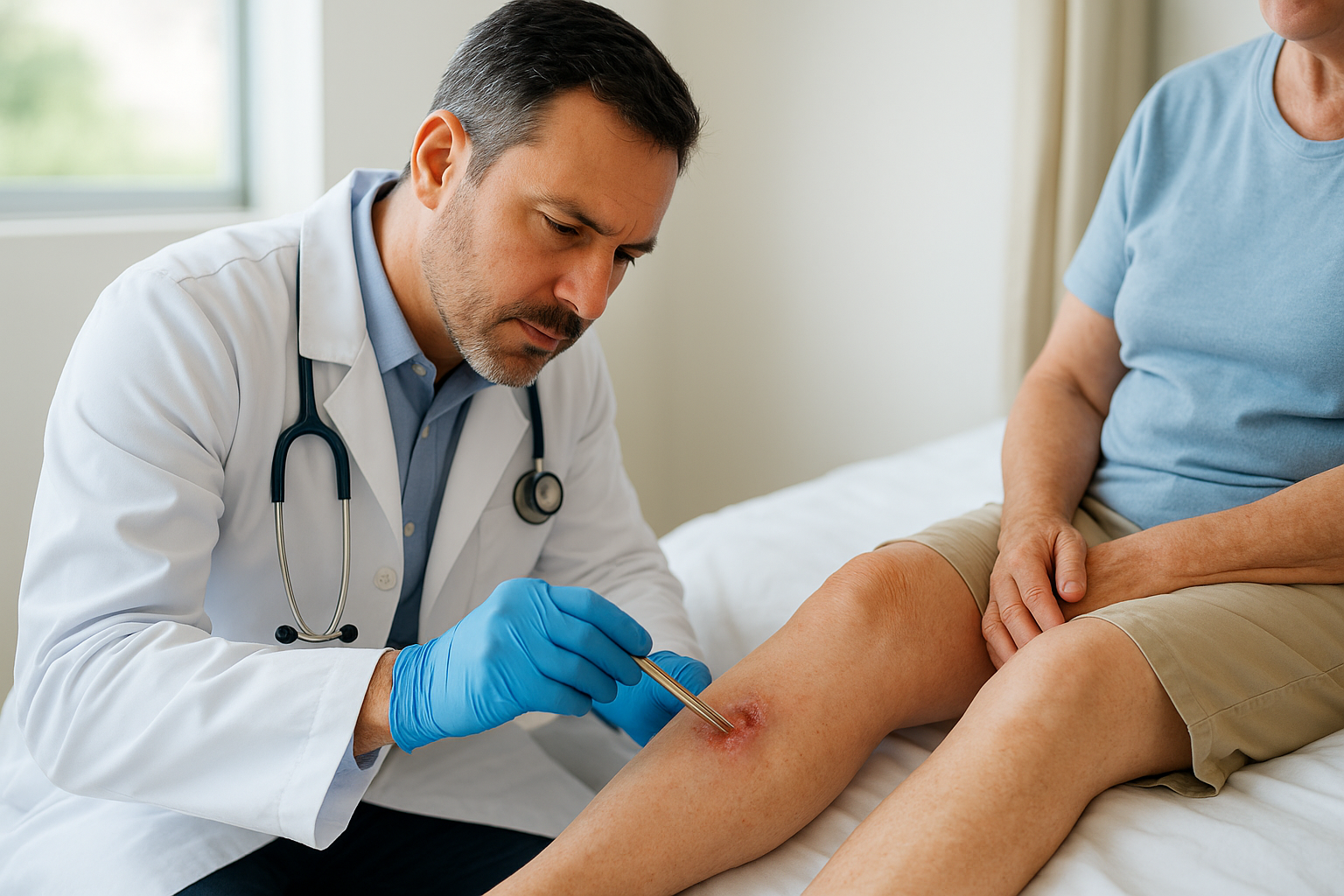
Groups like Vohra Wound Physicians of FL typically focus on bedside evaluation and treatment of chronic wounds inside the facilities they contract with. Their physicians assess pressure ulcers, diabetic foot wounds, venous ulcers, and post-surgical wounds that haven’t responded to standard nursing care, then build a treatment plan the facility staff can follow between visits.
Core treatment offerings
Rounds usually cover a mix of assessment and hands-on procedures rather than just paperwork. Most wound physician groups operating in skilled nursing facilities provide:
- Wound staging and documentation for Medicare Part B billing
- Debridement of dead or infected tissue
- Application of advanced dressings and, in some cases, allograft or regenerative products
- Coordination with facility nursing staff on daily wound care between physician visits
- Referrals back to hospitals or specialists when a wound requires surgical intervention
A physician who only shows up to chart the wound isn’t offering the same value as one who actively treats and adjusts the plan.
Where the model runs into limits
Here’s the catch with facility-contracted groups: their physicians typically see patients only where the contract exists, meaning a resident who’s discharged home often loses that same level of physician oversight overnight. Once someone leaves a skilled nursing facility, the wound doesn’t stop needing attention, but the physician who was managing it usually can’t follow them home. That’s the exact gap mobile wound care practices serving private residences are built to close, since patients transitioning out of facility care still need physician-led treatment, not just a follow-up appointment weeks later.
How to choose a trustworthy mobile wound care partner
Once a patient leaves a skilled nursing facility, the search for a wound care partner looks different than picking a group like Vohra Wound Physicians of FL for someone still in a facility. You’re now vetting a practice that will come to a private home, not one contracted through an institution, so the questions you ask need to shift toward physician availability, response time, and how they handle emergencies after hours.

Questions worth asking before you sign on
Ask these questions before agreeing to any home-based wound program, since the answers reveal whether a group is built for consistent follow-through or just occasional visits.
- Is a licensed physician performing the evaluation, or only a nurse practitioner?
- What’s the guaranteed response time for urgent wound changes?
- Are allograft and regenerative therapies covered under Medicare Part B, and does the practice bill directly?
- Does the group coordinate directly with the patient’s primary physician and hospital records?
- Can they treat in assisted living, hospice, or private homes, not just one setting?
The right partner answers these questions before you finish asking them, without hedging on physician availability.
Red flags that should make you pause
Red flags matter just as much as good answers do. Vague billing explanations, reluctance to name the treating physician, or an inability to describe their response window for urgent visits are all signs worth walking away from. A trustworthy practice puts physician credentials, coverage details, and communication expectations in writing before the first visit, not after.
Where this leaves patients and caregivers
Understanding Vohra Wound Physicians of FL gives you a clearer picture of who’s treating a loved one inside a facility and what that bill actually represents. But facility care has a hard edge: once someone goes home, that physician relationship typically ends, even though the wound doesn’t stop needing attention.
Verifying credentials, asking direct questions, and watching for red flags protects both the quality of care and your finances. That work doesn’t stop at discharge. If you’re in the Philadelphia area and searching for physician-led wound care that follows a patient home, our team provides bedside evaluation and treatment wherever the patient lives, whether that’s a private residence, assisted living, or hospice.
If you’re a caregiver ready to set up ongoing care, or a discharge planner coordinating a transition, reach out to our team directly and we’ll walk you through what physician-led mobile wound care looks like for your situation.