

6 Good Snacks for Type 2 Diabetics That Steady Blood Sugar
Finding good snacks for type 2 diabetics shouldn’t feel like a guessing game every time hunger hits between meals. If you or someone you care for is managing diabetes, you already know that the wrong snack can send blood sugar climbing while the right one keeps energy steady and cravings in check. The trouble is most snack aisles are stacked against you, full of hidden sugars and refined carbs that spike glucose fast.
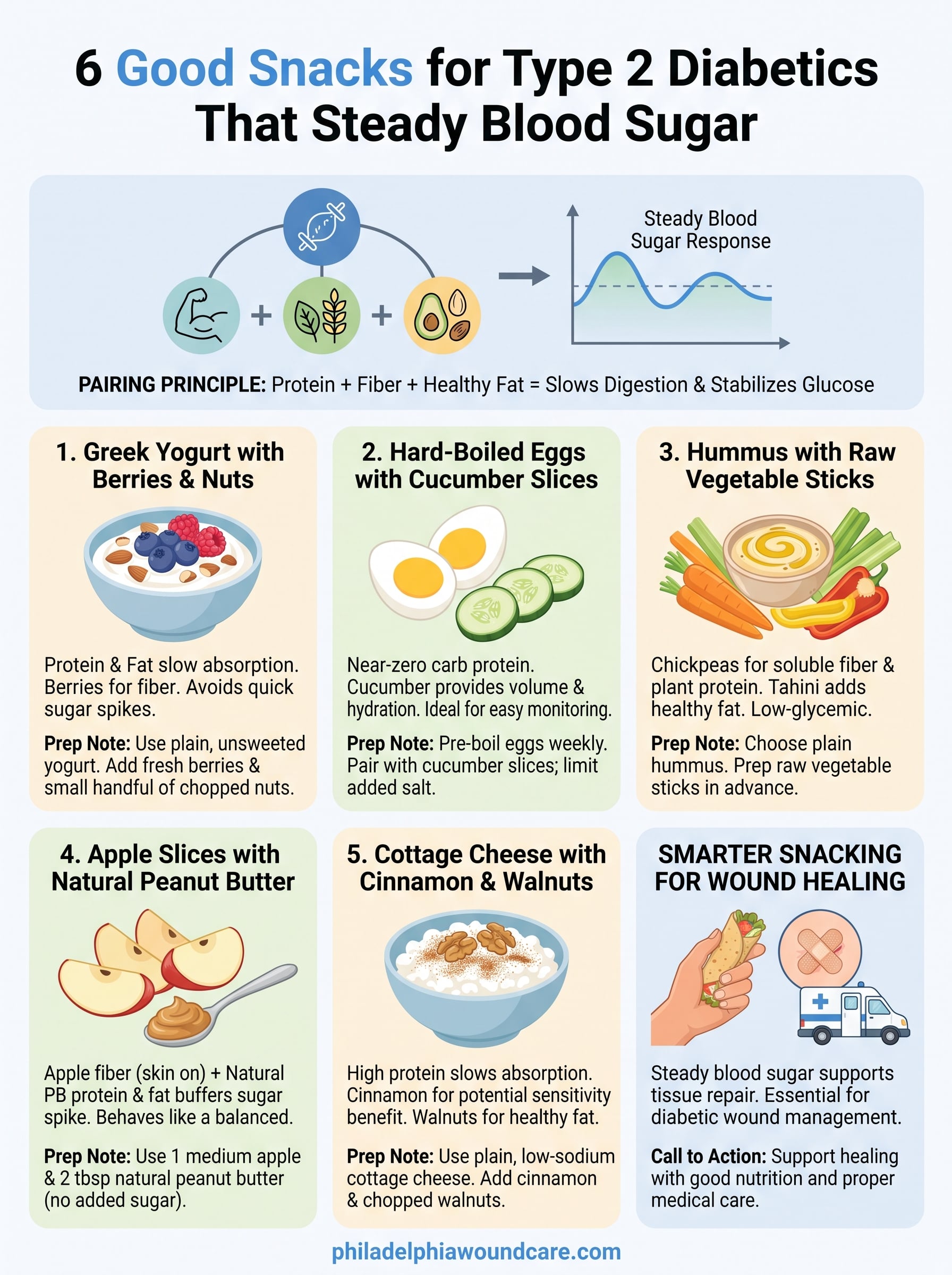
This list skips the guesswork and gives you blood-sugar-friendly snacks that actually satisfy hunger without the crash. Each option below balances protein, fiber, and healthy fat, the combination that slows digestion and keeps glucose from spiking, so you get real, practical choices you can grab from your own kitchen.
We put this guide together because stable blood sugar matters for more than comfort. As a mobile wound care practice treating diabetic ulcers across Philadelphia, we see firsthand how poor glucose control slows healing and complicates recovery. Good snacking habits are one of the simplest ways patients and caregivers can support wound healing at home, alongside the medical care we provide at the bedside.
1. Greek yogurt with berries and chopped nuts
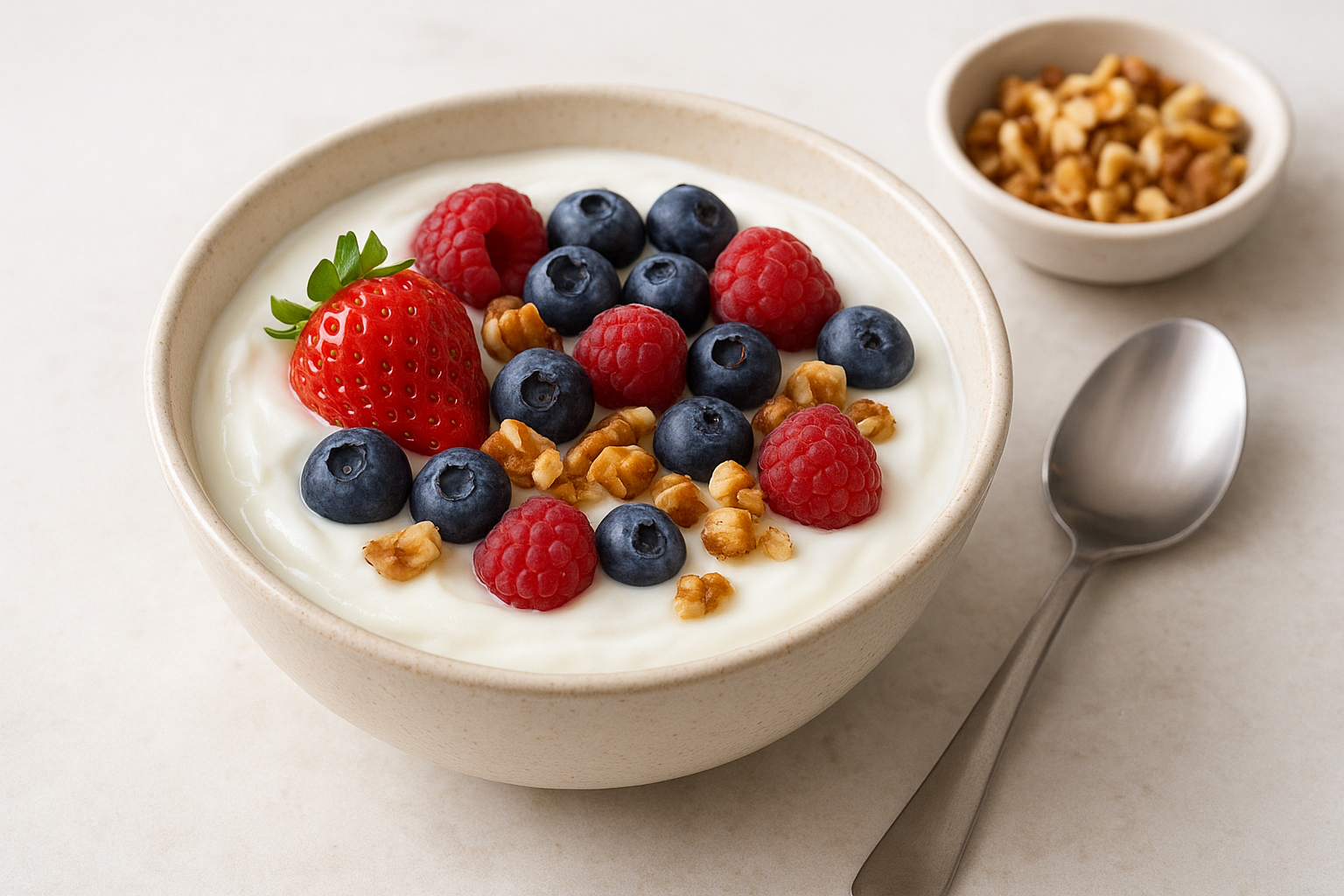
Plain Greek yogurt topped with a handful of berries and a few chopped nuts might be the single most reliable snack on this list. It delivers a mix of protein and fat that slows the absorption of the natural sugars in the fruit, so you avoid the quick spike-and-drop pattern that plain fruit or juice can cause. This combination also happens to be easy to keep stocked in almost any fridge, which matters when you’re trying to build a habit rather than a one-time fix.
Why it helps steady blood sugar
Greek yogurt packs roughly 15 to 20 grams of protein per cup, far more than regular yogurt, because much of the liquid whey has been strained out. Protein slows gastric emptying, meaning food stays in your stomach longer and glucose trickles into your bloodstream instead of flooding it. Berries add fiber and antioxidants without the sugar load of bananas or grapes, and the fat in the nuts rounds out the trio by further blunting the glycemic response. The American Diabetes Association points to this kind of pairing, protein plus fiber plus fat, as a core strategy for snack planning in its nutrition guidance at diabetes.org.
Pairing protein and fat with fruit is what keeps a sweet snack from acting like sugar on its own.
How to prepare it
Start with plain, unsweetened Greek yogurt, since flavored versions often carry as much added sugar as a candy bar. Fold in fresh or frozen berries like blueberries, raspberries, or strawberries, then top with a small handful of chopped walnuts or almonds. If you want more flavor without added sugar, a light dusting of cinnamon works well and may offer a modest insulin-sensitivity benefit according to some clinical research. This whole process takes under two minutes, which makes it realistic for a busy caregiver or a patient who tires easily.
Portion size to keep in mind
Stick to about 3/4 cup of Greek yogurt, 1/2 cup of berries, and a tablespoon of chopped nuts, roughly a small handful. Going overboard on nuts adds calories quickly since they’re calorie-dense, and too much fruit, even low-glycemic fruit, can still add up in carbohydrate grams. This portioning keeps the snack in the 15 to 20 gram carbohydrate range that most diabetes meal plans target for between-meal eating.
2. Hard-boiled eggs with cucumber slices
Hard-boiled eggs paired with crisp cucumber slices are about as low-effort as diabetic-friendly snacking gets. You get a near-zero-carb protein source next to a watery, crunchy vegetable that adds volume without adding glucose to worry about. This combination works especially well for patients who need a snack that won’t interfere with medication timing or blood sugar checks before meals.
Why it helps steady blood sugar
Eggs contain almost no carbohydrate, so they don’t trigger a glucose response on their own, and the roughly 6 grams of protein per egg helps you feel full longer between meals. Cucumbers are over 95% water and contribute fiber and hydration without meaningfully raising blood sugar, making this pairing one of the safest options on the list for anyone tracking carbs closely. This is also a smart pick for patients managing wound healing, since adequate protein intake supports tissue repair, something we emphasize often in our mobile visits.
A snack with almost no carbs gives you room to relax between blood sugar checks.
How to prepare it
Hard-boil a batch of eggs at the start of the week so they’re ready to grab straight from the fridge. Peel one or two, slice them in half, and pair with sliced cucumber sprinkled lightly with salt, pepper, or a squeeze of lemon. A dash of paprika or a small dollop of mustard adds flavor without adding sugar or sodium overload.
Portion size to keep in mind
Two hard-boiled eggs alongside a half cup of sliced cucumber makes a satisfying, low-carb snack that won’t spike glucose. Watch your sodium intake if you’re adding salt or condiments, especially if you’re also managing blood pressure alongside diabetes.
3. Hummus with raw vegetable sticks
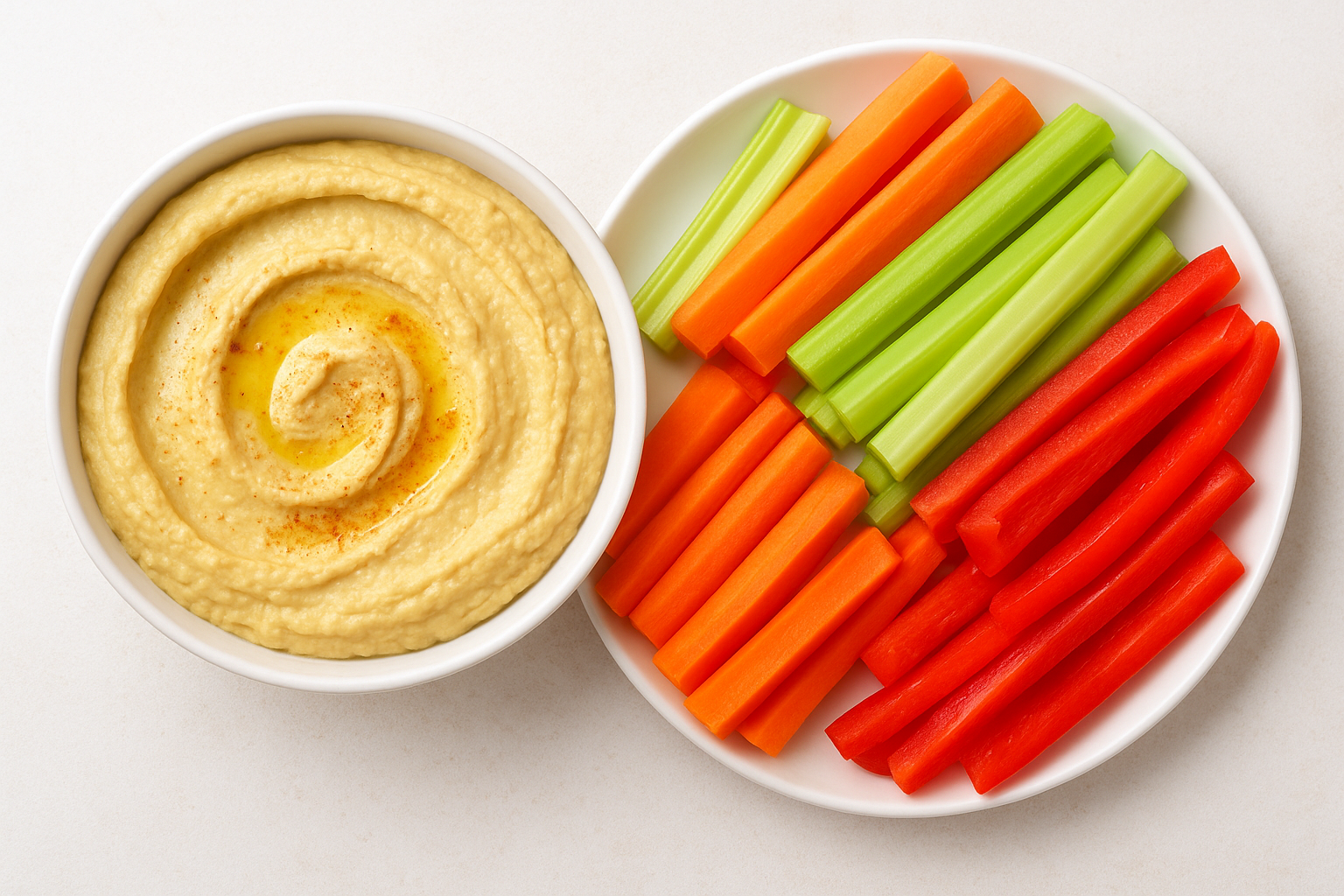
Hummus and crunchy vegetables make a snack that feels indulgent but stays firmly in blood-sugar-friendly territory. The chickpea base brings fiber and plant protein, while raw vegetables add volume and crunch without piling on carbohydrates. It’s a combination that works well for patients who miss dipping and snacking foods but need something that won’t undo their glucose control.
Why it helps steady blood sugar
Chickpeas are rich in soluble fiber, which slows carbohydrate digestion and helps prevent the rapid glucose swings that refined snacks cause. Tahini, the sesame paste in most hummus recipes, contributes healthy fat that further slows absorption, and the whole mix has a lower glycemic index than crackers or chips typically used for dipping. Choosing vegetables over pita chips keeps the carbohydrate count low while still giving you something satisfying to crunch on.
Fiber-rich dips like hummus slow digestion in a way that crackers simply can’t match.
How to prepare it
Buy plain hummus or make your own by blending chickpeas, tahini, lemon juice, and garlic until smooth. Slice bell peppers, celery, and carrots into sticks the night before so they’re ready to grab straight from the fridge. Avoid flavored hummus varieties loaded with added sugar or excess sodium, and check labels carefully if you’re managing blood pressure alongside diabetes.
Portion size to keep in mind
Stick to about 2 tablespoons of hummus paired with a cup of raw vegetable sticks. This keeps the snack around 10 to 15 grams of carbohydrate, a range that fits comfortably into most diabetes meal plans without crowding out room for dinner.
4. Apple slices with natural peanut butter
Apple slices with a spoonful of natural peanut butter make a snack that feels like dessert but behaves like a balanced meal. The fruit’s natural sugar gets buffered by the fat and protein in the peanut butter, so you avoid the sharp spike that plain apple juice or dried fruit can cause. This pairing also travels well, making it a practical option for patients heading to appointments or caregivers packing snacks for a long day.
Why it helps steady blood sugar
Apples contain soluble fiber, particularly in the skin, which slows how quickly sugar enters your bloodstream. Natural peanut butter, meaning the kind with no added sugar or hydrogenated oils, contributes healthy fat and roughly 4 grams of protein per tablespoon, both of which blunt the glycemic response further. Together they create a snack with a moderate glycemic load instead of the rapid rise you’d get from the apple alone. The Centers for Disease Control and Prevention notes that pairing carbohydrates with protein or fat is one of the simplest ways to manage post-meal glucose swings, guidance available at cdc.gov.
An apple alone spikes sugar fast, but peanut butter turns it into a slow, steady release.
How to prepare it
Slice one medium apple, skin on, into wedges and pair with two tablespoons of natural peanut butter for dipping. Choose a variety like Granny Smith or Honeycrisp, since tarter apples tend to carry slightly less sugar than sweeter varieties. Stir the peanut butter well first, since natural versions separate and the oil settles at the top.
Portion size to keep in mind
Keep the peanut butter to two tablespoons and the apple to one medium fruit, roughly 15 grams of carbohydrate total. Larger portions of peanut butter add calories quickly without much additional blood sugar benefit.
5. Cottage cheese with cinnamon and walnuts
Cottage cheese sprinkled with cinnamon and a few chopped walnuts rounds out this list of good snacks for type 2 diabetics with a savory-sweet option that’s easy to prepare in seconds. The curds bring a mild flavor that pairs well with the warmth of cinnamon, while walnuts add crunch and a dose of healthy fat that most snack foods skip entirely. It’s a combination that feels more like a treat than a diabetes-friendly choice, which is exactly why it tends to stick as a habit.
Why it helps steady blood sugar
Cottage cheese delivers around 24 grams of protein per cup, one of the highest concentrations on this list, and that protein slows how fast any carbohydrate you eat alongside it gets absorbed. Cinnamon has been studied for a possible role in improving insulin sensitivity, though researchers still describe the effect as modest rather than dramatic. Walnuts contribute omega-3 fats that support heart health, a relevant bonus since cardiovascular disease often travels alongside type 2 diabetes.
Protein-heavy snacks like cottage cheese give your blood sugar the steadiest baseline of any option here.
How to prepare it
Spoon plain, low-sodium cottage cheese into a bowl, dust generously with cinnamon, and top with a small handful of chopped walnuts. Skip flavored cottage cheese cups, since many carry added sugar you don’t need. A few drops of vanilla extract can round out the flavor without adding carbohydrate.
Portion size to keep in mind
Half a cup of cottage cheese with a tablespoon of walnuts keeps this snack around 8 to 10 grams of carbohydrate. That’s light enough to pair with a piece of fruit if you want more volume without overloading your glucose response.
Snacking smarter every day
Steady blood sugar doesn’t require complicated recipes or expensive products. These six snacks work because they lean on the same principle every time: pair protein and fiber with any carbohydrate, and you slow the glucose spike that plain sugar or refined carbs cause on their own. Keep a few of these staples stocked, and you’ll have fewer moments where hunger pushes you toward something that undoes your glucose control.
Good nutrition supports healing, but it works best alongside proper medical care, especially for patients managing diabetic wounds that need more than diet alone. If you or someone in your care has a wound that isn’t closing as fast as it should, don’t wait for it to worsen. Reach out to our team through our mobile wound care services in Philadelphia and let a physician bring specialized treatment straight to your door.