

6 Tips For Preventing Skin Tears In The Elderly At Home
Skin tears happen fast. A bump against a doorframe, a piece of medical tape removed too quickly, or even a firm grip during a transfer can split fragile skin wide open. For older adults with thin, aging skin, especially those managing diabetes or vascular conditions, these injuries are painfully common and surprisingly difficult to heal. That’s why preventing skin tears in elderly loved ones at home isn’t just about comfort; it’s about avoiding wounds that can quickly become chronic.
At Philadelphia Wound Care, our physician-led mobile practice treats skin tears and other complex wounds at the patient’s bedside across the Philadelphia area. We see firsthand how a small tear can escalate when it’s not properly managed, and how simple preventive steps could have stopped many of these injuries from happening in the first place. Prevention is always better than treatment.
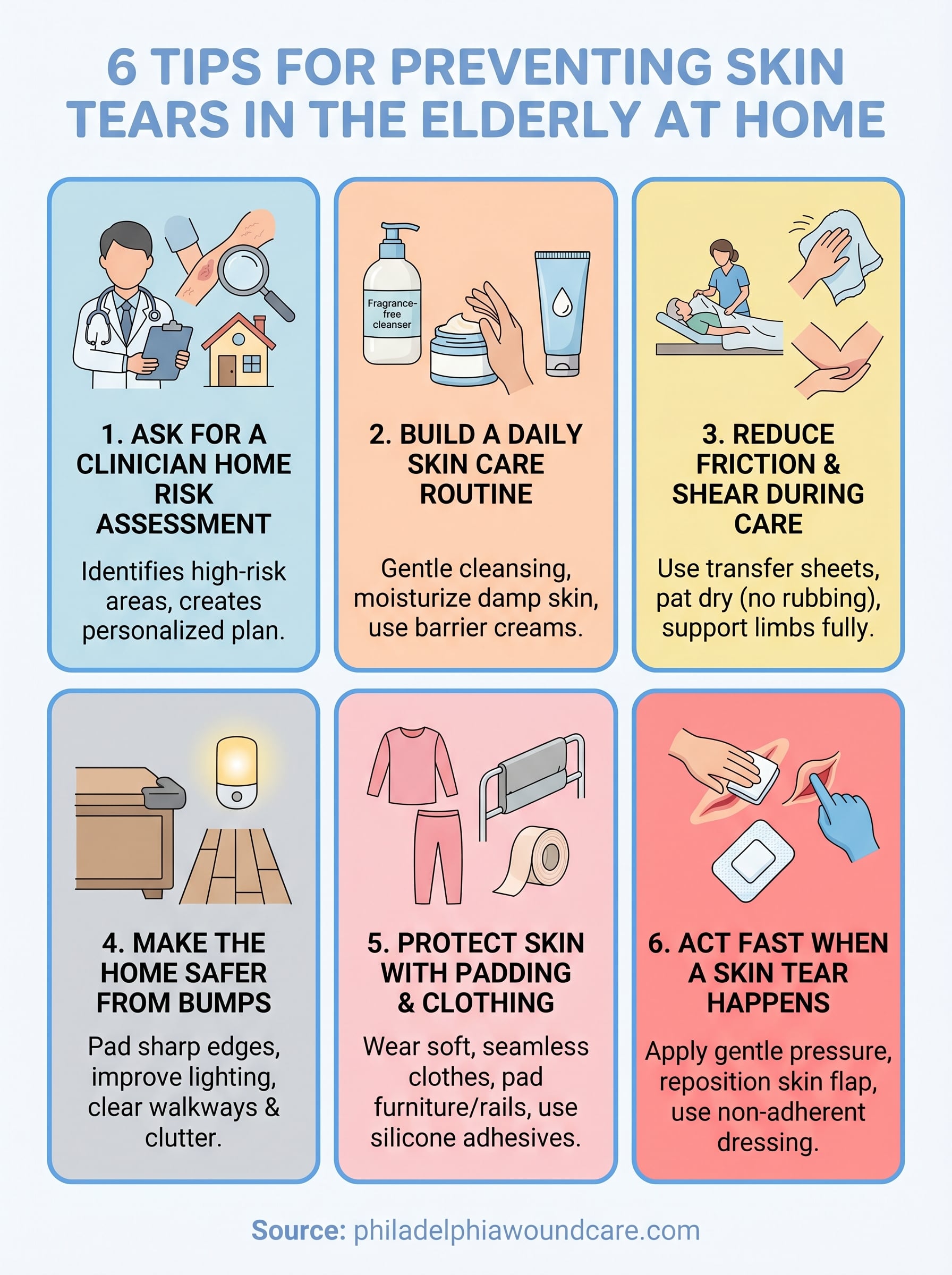
Below, you’ll find six practical tips to protect aging skin and reduce the risk of tears at home. These recommendations come from what we observe daily in our patients’ homes, skilled nursing facilities, and assisted living communities, real strategies that make a real difference.
1. Ask a wound care clinician to assess risk at home
The most effective step you can take toward preventing skin tears in elderly family members is getting a trained clinician into the home before a serious tear occurs. Most skin tears don’t appear out of nowhere; they develop in predictable patterns tied to individual risk factors that a skilled eye can identify. A professional assessment turns vague concern into a concrete, personalized plan.
Who benefits most from a clinician-led skin tear plan
Not every older adult carries the same risk. Patients who benefit most include those taking blood thinners or corticosteroids, which thin the skin significantly over time, as well as those with diabetes or peripheral vascular disease.
If your loved one already has visible bruising with minimal contact, or paper-thin skin on the forearms and shins, a clinician visit is overdue rather than optional.
What a home assessment should cover
A thorough assessment goes well beyond looking at existing wounds. Your clinician should evaluate skin condition and fragility across the whole body, flag high-risk areas like the forearms, shins, and hands, and review every current medication that affects skin integrity.
The home environment belongs in that review too. A clinician should note:
- Sharp furniture edges and exposed bed rails
- Grab bars and transfer equipment in need of padding
- Flooring hazards that increase fall and bump risk
- Lighting conditions in hallways and bathrooms
How a prevention plan changes day-to-day care
Once a clinician completes the assessment, you get specific, actionable guidance rather than general advice. This might mean switching to a silicone-based adhesive dressing, adjusting the transfer technique used during bathing, or starting a structured moisturizing routine.
A targeted prevention plan based on real observations is far more effective than general tips found online.
These individualized adjustments address your loved one’s exact vulnerabilities, which is why a clinician-led plan outperforms anything generic.
When to schedule follow-ups and reassess risk
Skin condition shifts as health status changes. Plan to reassess risk every three to six months, or sooner if your loved one starts a new medication or experiences a significant drop in mobility.
Regular follow-up visits keep the plan current and allow the clinician to catch deteriorating skin before a minor fragility issue becomes a serious, slow-healing wound.
2. Build a daily skin care routine for fragile skin
A consistent daily routine is one of the most reliable methods for preventing skin tears in elderly patients at home. Without regular care, dry and fragile skin loses its elasticity and becomes increasingly vulnerable to minor trauma throughout the day.
Why aging skin tears more easily
Aging skin produces less natural oil and collagen, which causes it to thin and lose flexibility over time. Medications like corticosteroids and blood thinners accelerate this process, leaving the skin even more prone to splitting from friction or minor impact.
Cleansing basics that protect the skin barrier
Use lukewarm water and a pH-balanced, fragrance-free cleanser rather than traditional soap, which strips natural oils from the skin. Pat dry with a soft cloth instead of rubbing, and never use coarse materials on fragile areas like the forearms or shins.
Gentle cleansing preserves the skin’s natural barrier, which is your first line of defense against tears.
Moisturizing habits that reduce dryness and cracking
Apply a thick, fragrance-free moisturizer immediately after bathing while the skin is still slightly damp. This locks in moisture and prevents surface cracking that makes skin tears far more likely during everyday activity.
Barrier creams and protectants for high-friction areas
Focus barrier creams on areas that experience repeated contact, such as the inner thighs, heels, and anywhere a brace or incontinence pad sits against the skin. Products containing zinc oxide or dimethicone form a protective layer that reduces both moisture-related and friction-related skin breakdown.
3. Reduce friction and shear during everyday care
Friction and shear are two of the most overlooked causes of skin tears in elderly patients at home. Every time skin slides against a surface or gets pulled in opposite directions during care, it risks splitting. Changing how you handle everyday tasks can cut this risk dramatically without adding time to your routine.
Transfers and repositioning without skin trauma
Sliding a patient across bed sheets or grabbing an arm to steady them are common triggers for tears. Use a draw sheet or transfer board to reposition rather than dragging skin across fabric, and always support the limb fully during lifts.
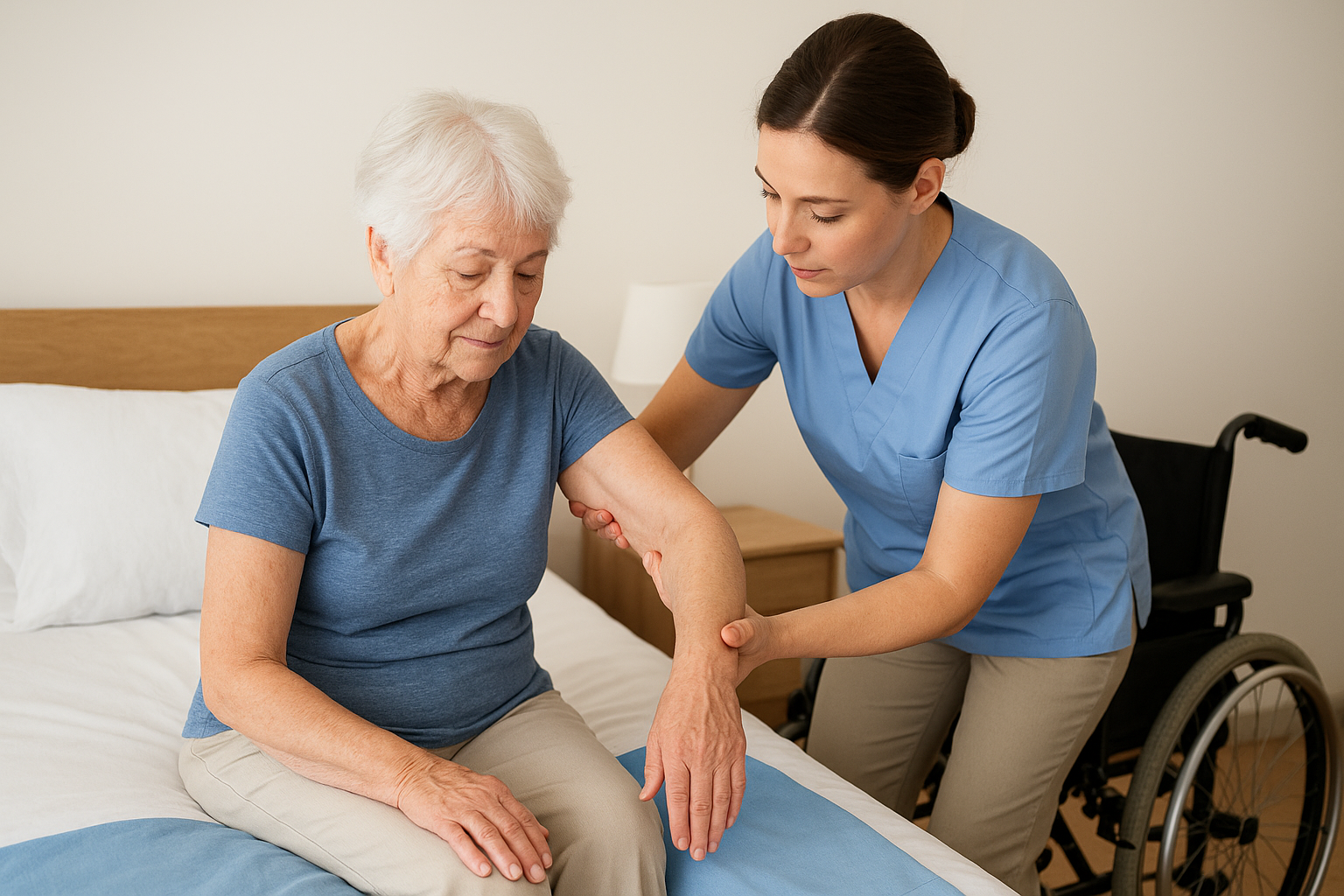
Supporting the full length of an arm or leg during a transfer distributes force evenly and keeps skin intact.
Bathing, drying, and clothing changes the gentle way
Pat skin dry with a soft, lint-free towel rather than rubbing it. When dressing your loved one, gather sleeves and pant legs fully before sliding them over the limb, so fabric doesn’t scrape across fragile skin during the process.
Nail care and jewelry rules for caregivers
Keep your fingernails short and filed smooth before providing hands-on care, and remove rings or bracelets before transfers and bathing. Even a small rough edge on a nail or metal setting on a ring can catch and tear thin skin instantly.
Common handling mistakes that cause preventable tears
Gripping the skin instead of supporting underneath the joint is one of the most frequent errors caregivers make. Always cup the heel or elbow rather than pinching the skin, and avoid pulling on clothing to reposition your loved one.
4. Make the home safer to prevent bumps and falls
The home environment plays a direct role in preventing skin tears in elderly patients. A bump against a coffee table, a shin caught on a bed frame, or grabbing a rough surface during a near-fall can split fragile skin in seconds. Walking through your living space with fresh eyes reveals hazards that familiarity makes easy to miss.
Quick home walk-through for skin tear hazards
Start with the rooms your loved one uses most: the bedroom, bathroom, and kitchen. Look for exposed corners and low furniture with sharp edges, and any surface they might grab or lean against during unsteady moments. Run through a quick checklist once a month to keep hazards from creeping back in.
A five-minute walk-through costs nothing and can prevent a wound that takes weeks to heal.
Lighting, pathways, and furniture edges
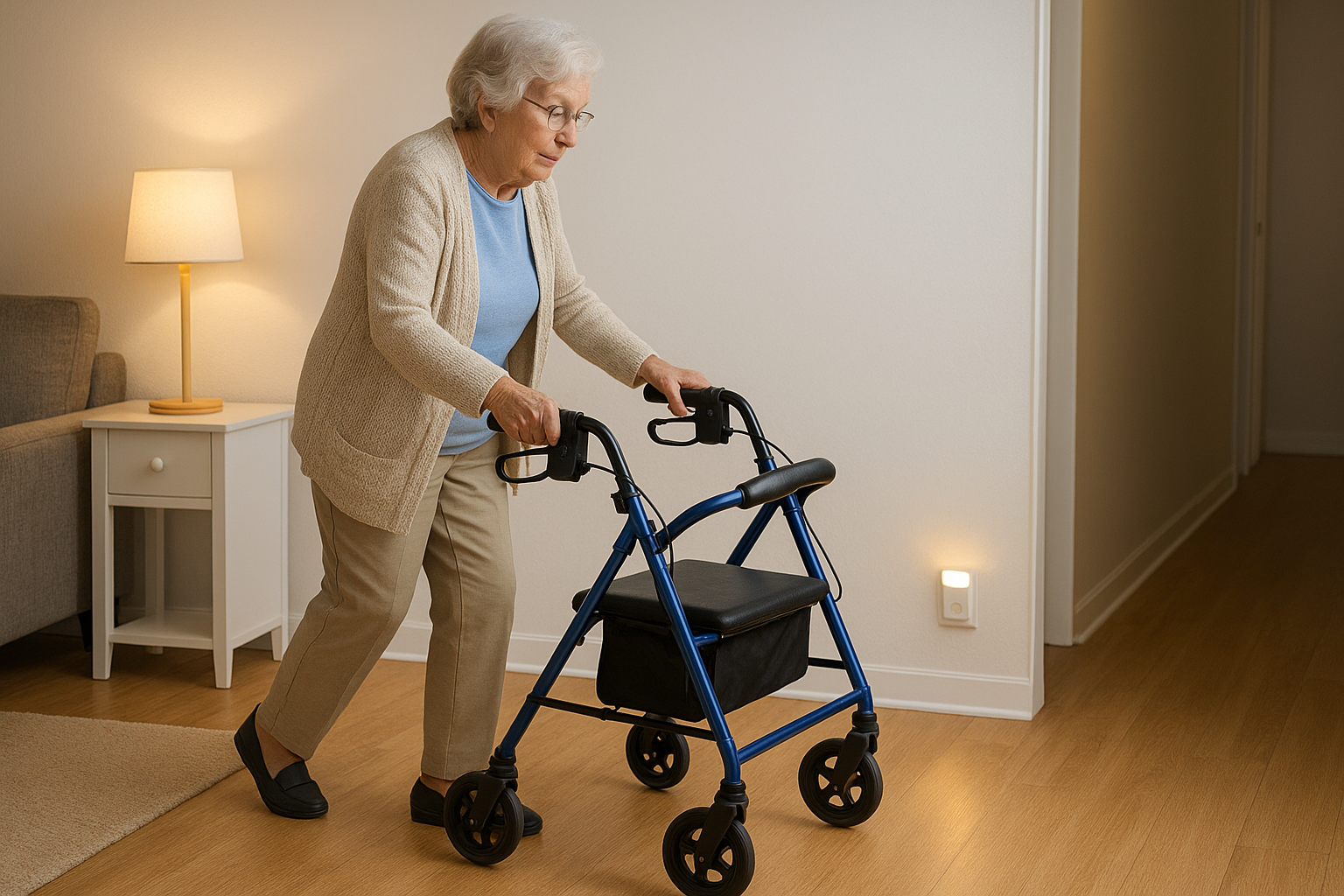
Poor lighting is a major contributor to nighttime bumps. Install motion-activated night lights along hallways and near the bathroom door. Clear walking paths of cords, loose rugs, and clutter, and add foam edge guards to exposed furniture corners.
Mobility supports that reduce near-falls
A well-placed grab bar near the toilet or shower reduces the reflexive grabbing that causes contact injuries to thin skin. Choose a rollator or cane that fits your loved one properly, since an ill-fitting aid creates instability rather than reducing it.
Pet and equipment safety around thin skin
Pets can jump, scratch, or knock into an older adult without warning. Keep pets gated away during transfers and high-risk care moments. Also check that medical equipment like wheelchair footrests and IV poles carry no exposed sharp edges that could catch fragile skin during routine movement.
5. Protect skin with clothing, padding, and safer adhesives
A physical barrier between fragile skin and the world around it is one of the most practical strategies for preventing skin tears in elderly patients at home. The right combination of clothing, padding, and medical-grade adhesives adds a layer of protection that reduces injury during everyday movement and routine care.
Protective clothing that still feels comfortable
Long sleeves and long pants made from soft, seamless fabrics like bamboo or cotton jersey protect the arms and legs without restricting movement. Look for clothing with no interior tags or rough seams, since even small texture irregularities cause repeated friction against thin skin throughout the day.
Soft padding for forearms, shins, and bed rails
Tubular foam padding slid over bed rails, wheelchair armrests, and furniture edges eliminates sharp contact points. You can also use moisture-wicking arm sleeves or shin protectors, which are sold specifically for fragile skin and stay in place without adhesive.
Padding high-contact surfaces costs very little and removes some of the most common triggers for skin tears.
Adhesive choices and removal techniques to avoid MARSI
Medical adhesive-related skin injury, or MARSI, occurs when tape or dressings pull the top layer of skin away during removal. Switch to silicone-based adhesives, which bond gently and release without stripping the skin, especially on older adults who need frequent dressing changes.
Skin-safe alternatives when tape keeps causing problems
If adhesive consistently causes redness, blistering, or skin stripping, use non-adhesive wrap bandages or tubular mesh to secure dressings instead. These hold dressings firmly in place without any direct adhesive contact with fragile skin.
6. Act fast when a skin tear happens
Even with the best strategies for preventing skin tears in elderly patients at home, tears can still occur. How quickly and correctly you respond in the first few minutes directly affects how well and how fast the wound heals.
What to do in the first 10 minutes
Stop any bleeding by applying gentle, direct pressure with a clean cloth or sterile gauze. Keep the patient calm and still, and position the affected limb at heart level to reduce blood flow to the area.
How to clean and realign a skin flap safely
Rinse the wound gently with clean, lukewarm water or saline solution to remove debris. If a skin flap is present, use a moistened cotton swab or gloved finger to carefully reposition it over the wound bed before covering it. Never cut the flap away, as it protects the tissue underneath.
A preserved skin flap is your best natural dressing, so protect it during every step of wound care.
Dressing goals and what to look for in a good option
Choose a non-adherent, moisture-retentive dressing such as a soft silicone foam or a non-stick telfa pad. Your dressing should hold the skin flap in place without sticking to the wound surface on removal.
Signs of infection or poor healing that need medical care
Watch for increasing redness, warmth, swelling, or discharge that changes color or develops an odor. If the wound does not show clear improvement within five to seven days, contact a wound care clinician promptly.
A simple plan you can start today
Preventing skin tears in elderly loved ones at home doesn’t require a complete overhaul of your daily routine. Start with the basics: moisturize daily, pad exposed sharp edges, and switch to silicone-based adhesives. These three changes alone eliminate many of the most common triggers caregivers encounter every day.
From there, build outward. Schedule a home assessment with a wound care clinician to identify the specific risks your loved one faces, and adjust your caregiving techniques based on what you observe and learn. Small, consistent actions carried out correctly keep fragile skin intact far better than any single intervention done occasionally.
If a skin tear has already occurred, or if your loved one’s skin continues to worsen despite your best efforts, professional care makes a real difference. Contact our mobile wound care team in Philadelphia to schedule a bedside evaluation and get a personalized prevention plan built around your specific situation.