

Regenerative Therapy for Chronic Wounds in Philadelphia
Chronic wounds affect millions of Americans, and for patients in the Philadelphia area dealing with diabetic ulcers, pressure injuries, or vascular wounds that refuse to close, standard treatments sometimes fall short. That’s where regenerative therapy for chronic wounds in Philadelphia enters the picture, a category of advanced treatments that harness the body’s own healing mechanisms to repair damaged tissue when conventional approaches stall.
Regenerative medicine isn’t limited to orthopedic clinics or surgical suites. At Philadelphia Wound Care, we bring physician-led regenerative treatments directly to patients, at home, in skilled nursing facilities, or in assisted living communities, using therapies like allograft skin substitutes covered under Medicare Part B. For patients who can’t easily travel to a wound care center, mobile access to these advanced options can mean the difference between a wound that lingers for months and one that finally begins to heal.
This article breaks down what regenerative therapy actually means in the context of chronic wound management, how these treatments work at a cellular level, who qualifies, and what to expect from the process. Whether you’re a patient, a family caregiver, or a referring provider, you’ll walk away with a clear understanding of available options and how to access them in the Philadelphia region.
Why regenerative therapy matters for chronic wounds
Chronic wounds are not just slow-healing cuts. They represent a breakdown in the body’s normal repair process, often driven by conditions like diabetes, vascular disease, or prolonged pressure. Standard wound care, including dressing changes, debridement, and antibiotics, addresses the wound environment but doesn’t necessarily restore the biological signals your body needs to rebuild tissue. That gap is exactly where regenerative therapy steps in.
When a wound fails to show measurable progress after four weeks of standard treatment, it is generally considered chronic, and that’s the point when advanced therapies become clinically appropriate.
The limits of conventional treatment
Most wound care protocols focus on removing barriers to healing, such as infection, dead tissue, or poor moisture balance. These steps matter, and they’re often essential. But for patients dealing with poor circulation, nerve damage, or immune dysfunction, clearing those barriers still isn’t enough to trigger the cellular activity needed to close the wound. The wound stalls, and repeat clinic visits or hospital admissions follow.
For older patients or those with limited mobility in the Philadelphia area, repeated trips to a wound care center add physical strain without guaranteeing better outcomes. This is why access to regenerative therapy for chronic Philadelphia patients, delivered in the place they already live, represents a meaningful shift in how care reaches those who need it most.
Why timing matters in wound care
The longer a wound remains open, the more the surrounding tissue deteriorates. Chronic inflammation sets in, and the wound bed develops what clinicians call a senescent environment, where cells are present but no longer responding to healing signals. Introducing regenerative therapies earlier in this cycle, rather than after months of failed conventional attempts, gives the wound a better environment to respond.
Research published through the National Institutes of Health confirms that advanced biologic treatments show stronger outcomes when applied within an optimal wound-age window, reinforcing why timely evaluation matters for your care plan.
What regenerative therapy means in wound care
In wound care, regenerative therapy refers to treatments that introduce biological materials into a wound to restart or accelerate the healing process at a cellular level. Unlike a standard dressing that simply manages the wound environment, regenerative therapies actively signal the body to produce new skin, blood vessels, and connective tissue where normal repair has stopped.
Allograft and biologic skin substitutes
One of the most widely used forms of regenerative therapy for chronic Philadelphia patients is allograft skin substitutes, which are derived from donated human tissue that has been processed and screened to be safe and biocompatible. These grafts deliver a matrix of growth factors, collagen, and cellular scaffolding that the wound bed uses to rebuild itself. Because they replicate the architecture of healthy skin, they give stalled wounds a biological framework to follow.
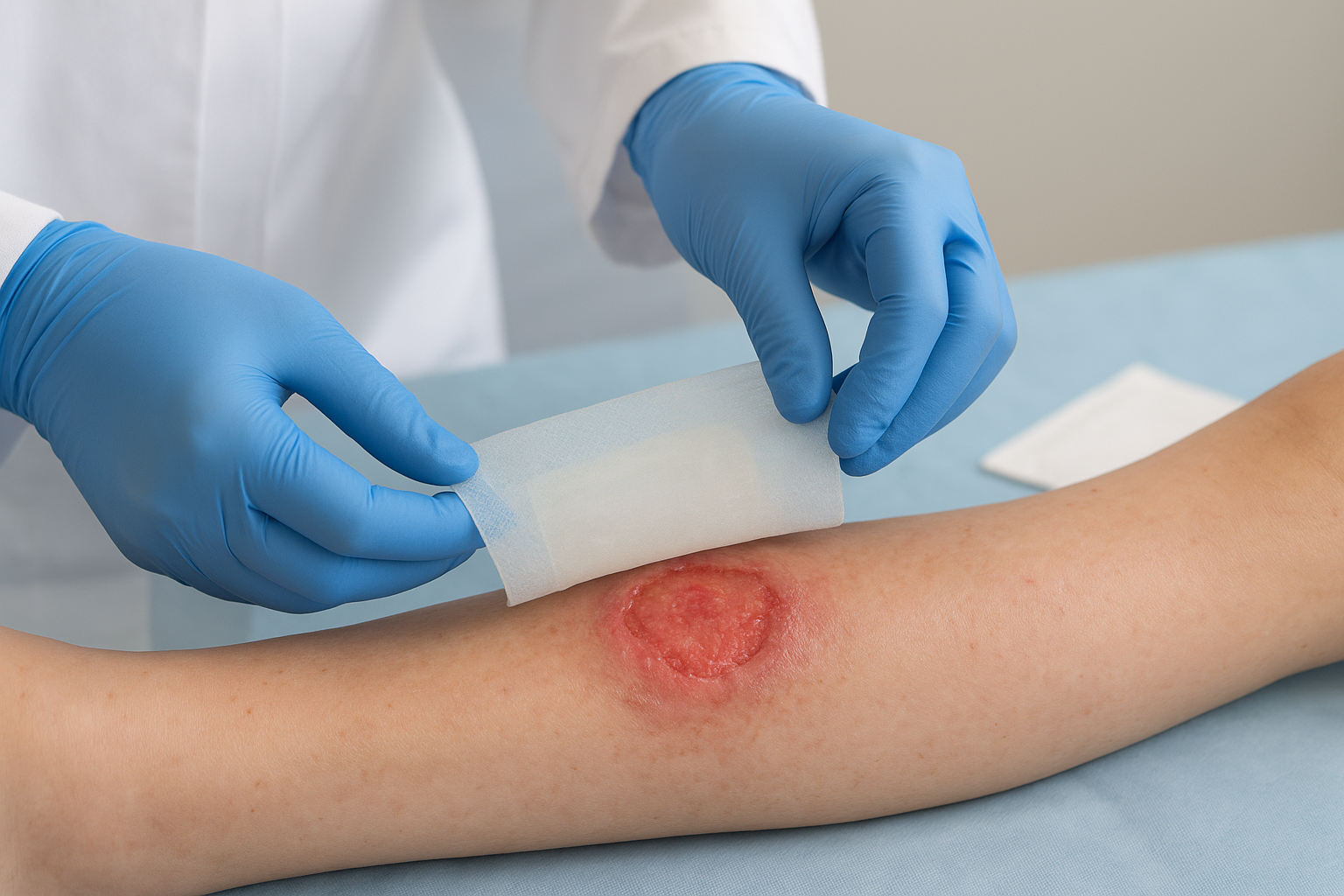
Allograft skin substitutes covered under Medicare Part B are among the most accessible advanced wound therapies available to eligible patients in a home or facility setting.
Your physician evaluates the wound’s size, depth, and tissue quality before selecting the right biologic product for your case. Not every wound requires the same material, and matching the specific therapy to the wound type significantly affects outcomes. This precision is what separates regenerative wound care from a generic treatment protocol.
How regenerative therapy fits into a care plan
Regenerative therapy is not a standalone treatment. It works as one component of a structured care plan that your physician builds around your wound’s specific characteristics, your health history, and your living situation. Before any biologic product is applied, your care team needs a complete picture of what’s driving the wound.
Assessment comes first
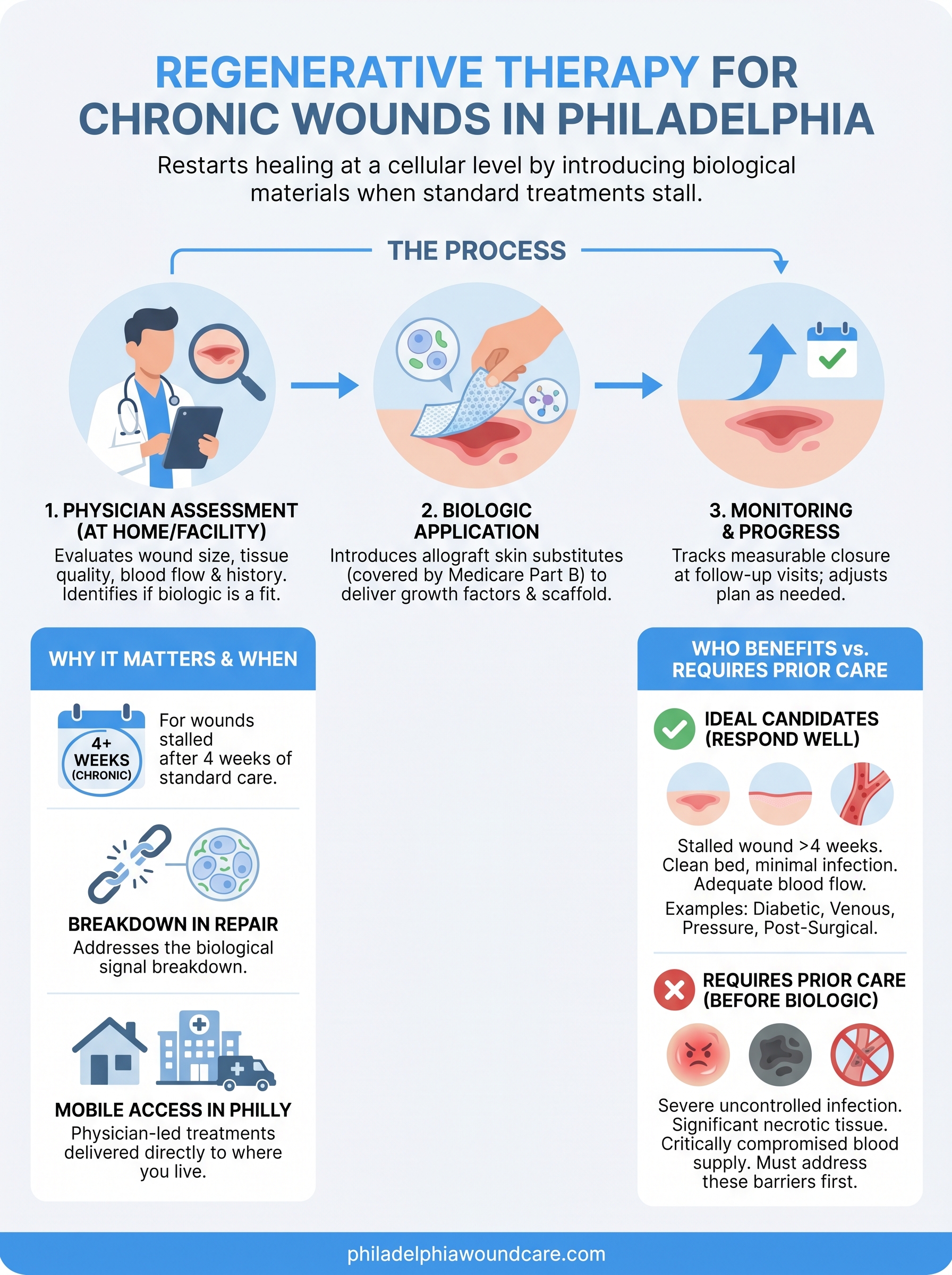
Your physician begins with a thorough wound evaluation, measuring the wound’s size, depth, and tissue quality, while also reviewing factors like blood flow, nutritional status, and any underlying conditions such as diabetes or vascular disease. This assessment determines whether your wound qualifies for regenerative therapy and which specific biologic product offers the best fit for your case.
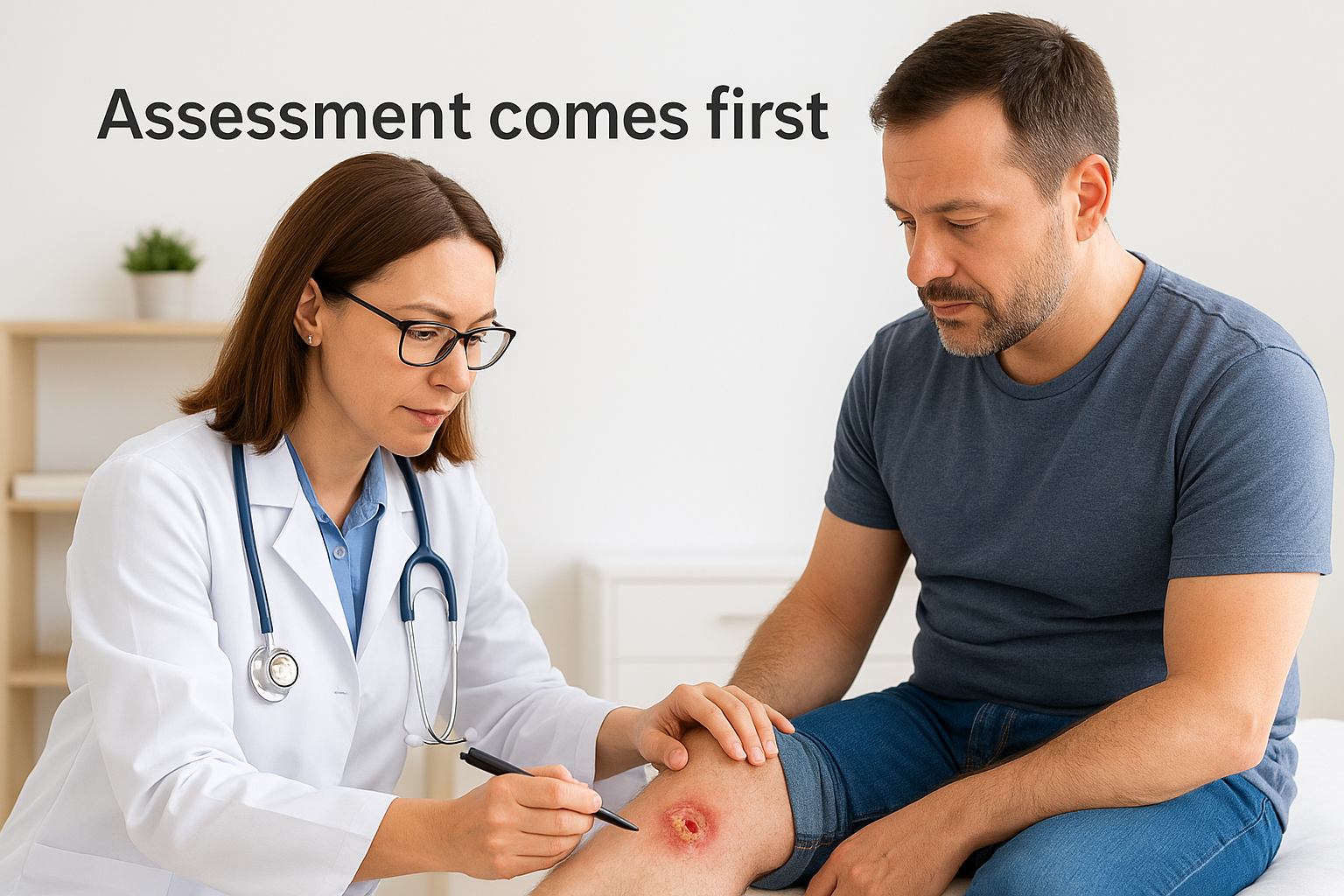
Skipping this step and applying a biologic to a wound that still has active infection or poor circulation significantly reduces the chance of a successful outcome.
Monitoring progress after treatment
Once a regenerative therapy is applied, your physician tracks measurable wound closure progress at each follow-up visit. If the wound responds, the treatment may be repeated on a scheduled basis. If progress stalls, your care plan adjusts accordingly. For patients receiving regenerative therapy for chronic Philadelphia wound care at home, this monitoring happens in your own space, reducing travel and keeping the process consistent without disrupting your daily routine.
Who may benefit and who may not
Not every patient with a chronic wound is a candidate for regenerative therapy, and understanding where you fall on that spectrum helps set realistic expectations. Your physician evaluates several clinical markers before recommending any biologic treatment, including wound chronicity, tissue quality, and whether your underlying conditions are being adequately managed.
Patients who tend to respond well
Patients who benefit most from regenerative therapy for chronic Philadelphia wound care typically have wounds that have stalled despite four or more weeks of standard treatment but still maintain a reasonably clean wound bed with minimal infection. Your physician also looks for adequate blood flow to the wound site, since biologics require circulation to deliver the growth factors they carry.
Common wound types that often respond well include:
- Diabetic foot ulcers
- Venous leg ulcers
- Pressure injuries at stage three or four
- Post-surgical wounds with impaired healing
A well-prepared wound bed, free of necrotic tissue and active infection, gives regenerative therapies the best possible environment to work.
When regenerative therapy may not be appropriate
Wounds that still carry severe uncontrolled infection or significant necrotic tissue typically need debridement and infection management before any biologic is introduced. Your care team addresses these issues first to create a wound environment where regenerative materials can actually function.
Similarly, if your blood supply to the wound area is critically compromised, the therapy may not work as intended until revascularization is addressed. Your physician will identify these barriers during the initial assessment and outline exactly what steps come first.
How to get regenerative wound care in Philadelphia
Accessing regenerative therapy for chronic Philadelphia wound patients starts with a referral or a direct inquiry to a mobile wound care practice. You don’t need to arrange transport to a clinic or navigate a hospital system. Philadelphia Wound Care brings the physician to you, whether you’re at home, in a skilled nursing facility, or in an assisted living community, and the process begins with a single call or referral submission.
Getting a physician-led wound evaluation in your own environment is the first step toward determining whether a regenerative therapy is the right fit for your specific wound.
What the referral process looks like
Your primary care physician, hospital case manager, or facility nursing staff can initiate a referral directly. You can also contact Philadelphia Wound Care on behalf of a family member if you’re the one coordinating their care. Once a referral is received, the practice targets a 24-hour response time to schedule an initial evaluation, which keeps the process from stalling when a wound is actively deteriorating.
During that first visit, your physician reviews your wound history, current treatments, and relevant underlying conditions before recommending next steps. If regenerative therapy is appropriate, your care team handles insurance coordination with Medicare, Medicare Advantage, or your commercial plan directly, so you understand your coverage before any advanced treatment begins, with no guesswork on costs.
Next steps
Chronic wounds that have resisted weeks of standard treatment deserve a higher level of attention, and regenerative therapy for chronic Philadelphia patients makes that level of care accessible without requiring you to leave your home or facility. If you or someone you care for has a wound that isn’t progressing, the right next step is a physician-led evaluation to determine whether a biologic treatment is appropriate for your specific situation.
You don’t need to sort through a complex referral system or figure out your insurance coverage on your own. Philadelphia Wound Care handles that coordination directly, from the initial visit through treatment planning and billing with Medicare or your commercial plan. Your physician comes to you, reviews the wound, and builds a care plan around what your wound actually needs.
Reach out today to request a mobile wound care evaluation in Philadelphia and take the first concrete step toward closing a wound that has been open too long.