
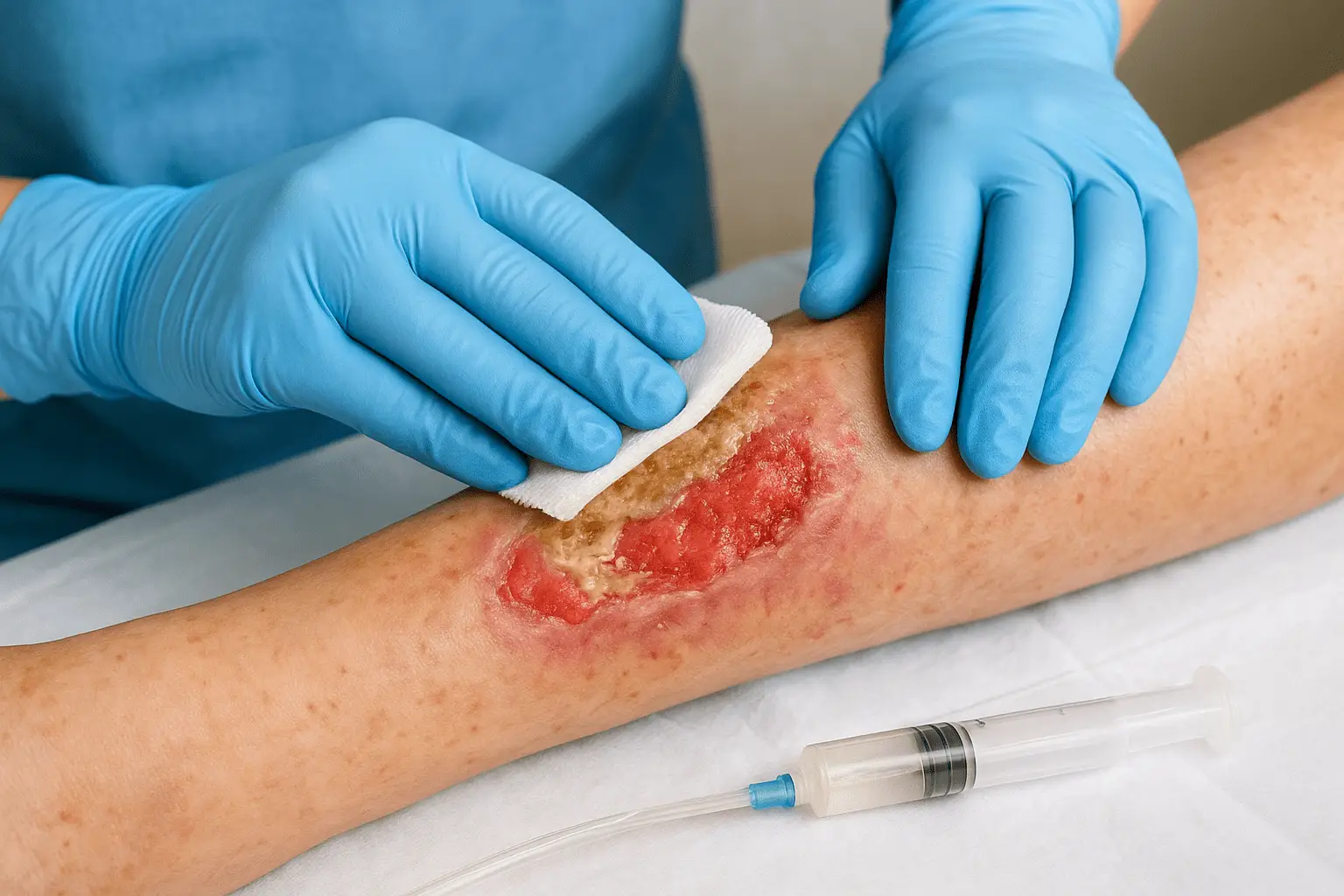
Mechanical Debridement Definition: Methods, Uses, Risks
Dead tissue in a wound doesn’t just sit there, it actively blocks healing. It harbors bacteria, fuels inflammation, and prevents healthy cells from doing their job. Removing that tissue is one of the most fundamental steps in wound management, and mechanical debridement is one of the oldest, most straightforward ways to do it. Yet despite its simplicity, the term often gets confused with other debridement methods or misunderstood in terms of how and when it should be used.
At Philadelphia Wound Care, our physician-led mobile practice treats chronic and complex wounds at the bedside, in homes, skilled nursing facilities, and hospice settings across the Philadelphia area. Debridement, including mechanical techniques, is a routine part of the advanced wound care we provide. We see firsthand how proper tissue removal accelerates healing in patients dealing with diabetic ulcers, pressure injuries, and post-surgical wounds that have stalled.
This article breaks down exactly what mechanical debridement is, the specific techniques it involves (wet-to-dry dressings, wound irrigation, hydrotherapy, and more), when clinicians choose it over other approaches, and what risks patients should understand. Whether you’re a caregiver, a facility case manager, or a patient trying to make sense of a treatment plan, you’ll walk away with a clear, practical understanding of this common wound care procedure.
Why mechanical debridement matters
When a wound isn’t healing, dead or damaged tissue is usually the first place to look. That tissue, often called necrotic tissue or slough, creates a physical and biological barrier that prevents your body from repairing itself. Removing it isn’t optional for serious wounds; it’s a clinical priority. Understanding the mechanical debridement definition helps you see why this step comes before any other advanced treatment can work effectively.
The wound healing process depends on a clean wound bed
Your body heals wounds through a predictable sequence: hemostasis, inflammation, proliferation, and remodeling. Each stage builds on the previous one. The proliferation stage is where new tissue forms, blood vessels grow, and the wound begins to close. That stage simply cannot proceed when dead tissue is blocking the wound bed.
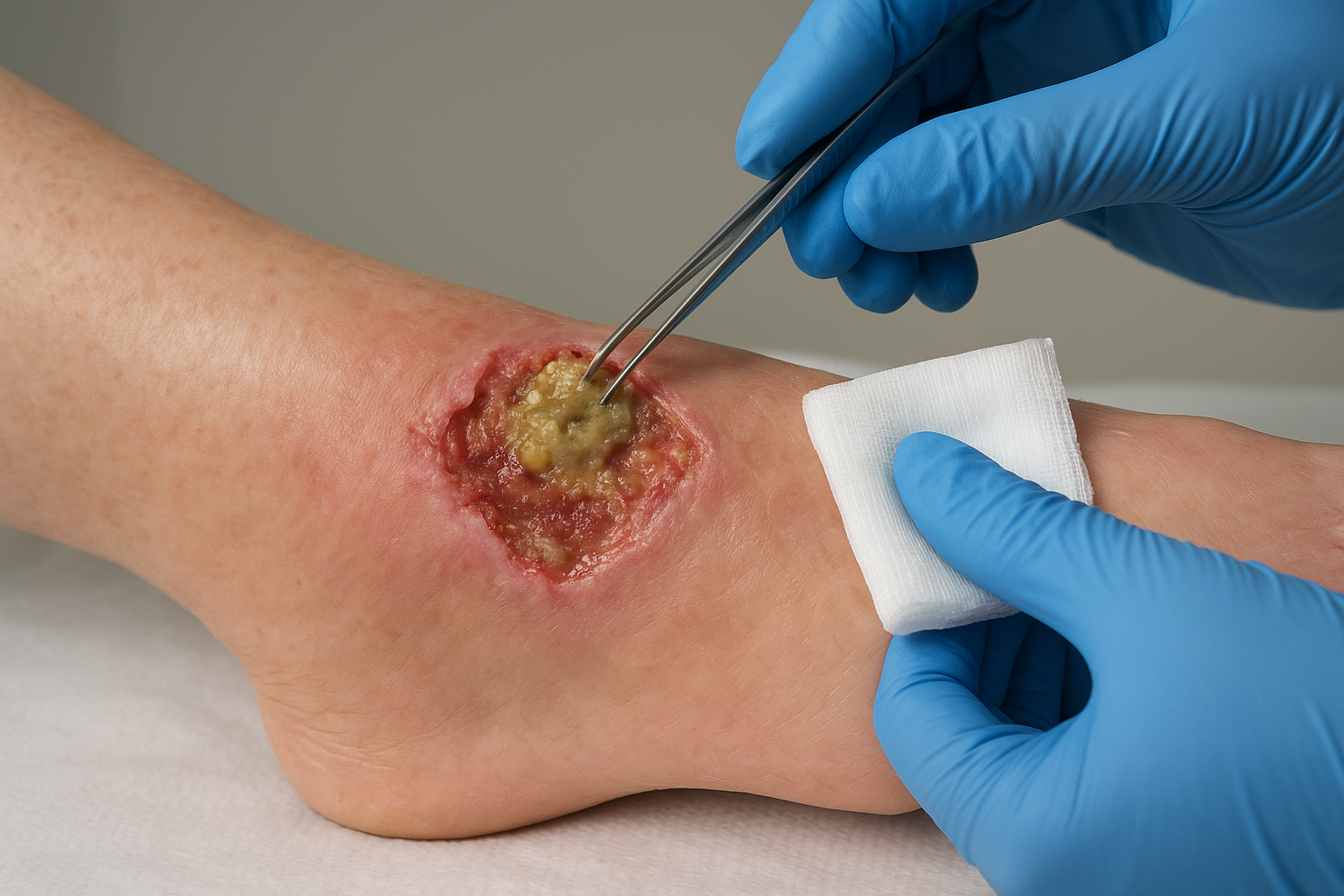
Dead tissue does more than take up space. It provides a nutrient-rich environment for bacteria, which drives colonization and, in many cases, infection. Infection triggers prolonged inflammation, which stalls the entire healing cycle. This is why clinicians address necrotic tissue without delay. The sooner the wound bed is clear, the sooner your body can actually progress through the healing stages.
A contaminated or necrotic wound bed is one of the most common reasons a chronic wound fails to progress despite other treatments being in place.
What happens when dead tissue stays in a wound
If necrotic tissue goes unaddressed, the consequences escalate quickly. Bacterial biofilm, a structured layer of microorganisms embedded in a protective matrix, can form within days. Biofilm is resistant to standard antibiotics and topical antimicrobials, which makes it significantly harder to eliminate once it establishes itself in the wound.
Retained dead tissue also interferes with accurate wound assessment. Clinicians can’t properly evaluate wound depth, tissue type, or healing progress when slough or eschar is covering the base. Treatment decisions end up made on incomplete information, which delays effective care and can allow a manageable wound to worsen unnecessarily.
Why timely debridement changes patient outcomes
Debridement, performed at the right time and with the right method, directly shortens the healing timeline. Research on chronic wound management consistently shows that wounds receiving regular debridement close faster than those that don’t. Each session removes the barrier slowing cellular repair and resets the wound environment to support healing activity.
For patients with diabetes or peripheral vascular disease, the stakes are especially high. Reduced blood flow already compromises the body’s ability to fight infection and deliver healing factors to the wound site. In that environment, dead tissue accumulates faster, infections escalate more quickly, and windows for conservative management close sooner. Early intervention is not just preferable in these cases; it’s often the factor that determines whether a patient avoids hospitalization or surgical intervention. For caregivers and facility staff, recognizing debridement as a recurring clinical need, not a single event, is what separates wounds that close from wounds that become emergencies.
What makes mechanical debridement different
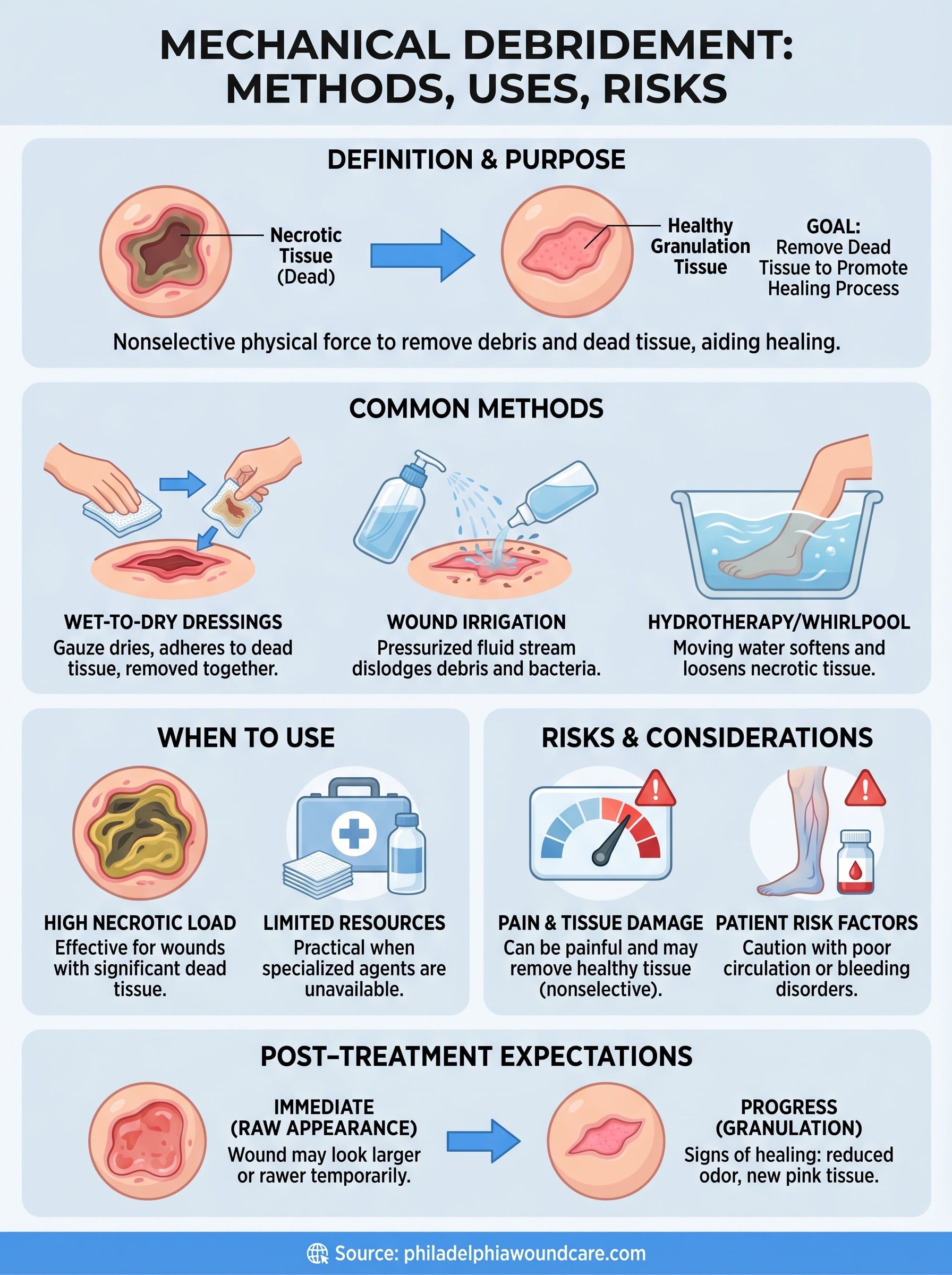
Debridement comes in several forms, and choosing the right one depends on the wound type, patient condition, and clinical goals. The full mechanical debridement definition separates it from other methods by one key characteristic: it uses physical force rather than enzymes, biology, or autolysis to remove tissue. That distinction shapes everything about when it’s appropriate and what results you can expect.
A nonselective approach to tissue removal
The defining feature of mechanical debridement is that it doesn’t distinguish between dead tissue and healthy tissue. When physical force is applied to a wound, it removes whatever is in its path. That makes it a nonselective method, which is a clinically important label. Other approaches, like enzymatic debridement or autolytic debridement, target necrotic tissue more precisely while leaving viable tissue intact.
Because mechanical debridement removes tissue indiscriminately, clinician judgment and technique directly determine how much healthy tissue is affected during each session.
This nonselective quality isn’t automatically a drawback. In wounds where large amounts of necrotic tissue need rapid removal, or where a highly contaminated wound bed needs aggressive cleaning, the blunt force of a mechanical approach is exactly what the situation calls for. The tradeoff is that it requires a skilled clinician to control the degree of debridement and limit unnecessary tissue damage.
How it compares to other debridement types
Understanding the differences between debridement types helps you make sense of a treatment plan when more than one method is in play. Enzymatic debridement uses topical agents, typically collagenase-based preparations, to chemically break down necrotic tissue without physical contact. Autolytic debridement uses the body’s own enzymes and moisture, usually supported by occlusive dressings, to slowly liquefy dead tissue over time.
Surgical or sharp debridement uses scalpels and scissors to cut away tissue with precision, making it the most controlled option but also the most invasive. Biological debridement, which uses sterile maggots, is highly selective for necrotic tissue but is limited to specific clinical scenarios. Mechanical debridement sits in a practical middle ground: faster than autolytic methods, less invasive than surgical techniques, and accessible across a wide range of care settings including home-based and mobile wound care like the services we provide.
Common mechanical debridement methods
The mechanical debridement definition covers several distinct techniques, each applying physical force in a different way. Your clinician’s choice between them depends on wound size, location, the amount of necrotic tissue present, and the care setting. Knowing what each method involves helps you follow your treatment plan and recognize what to expect at each visit.
Wet-to-dry dressings
Wet-to-dry dressings are one of the oldest mechanical debridement techniques still in use. A moistened gauze dressing is placed directly onto the wound bed and left to dry. As it dries, it adheres to the surface layer of necrotic tissue. When the clinician removes the dressing, dead tissue comes away with it. The process is straightforward and requires no specialized equipment, which makes it accessible in home and facility settings alike.
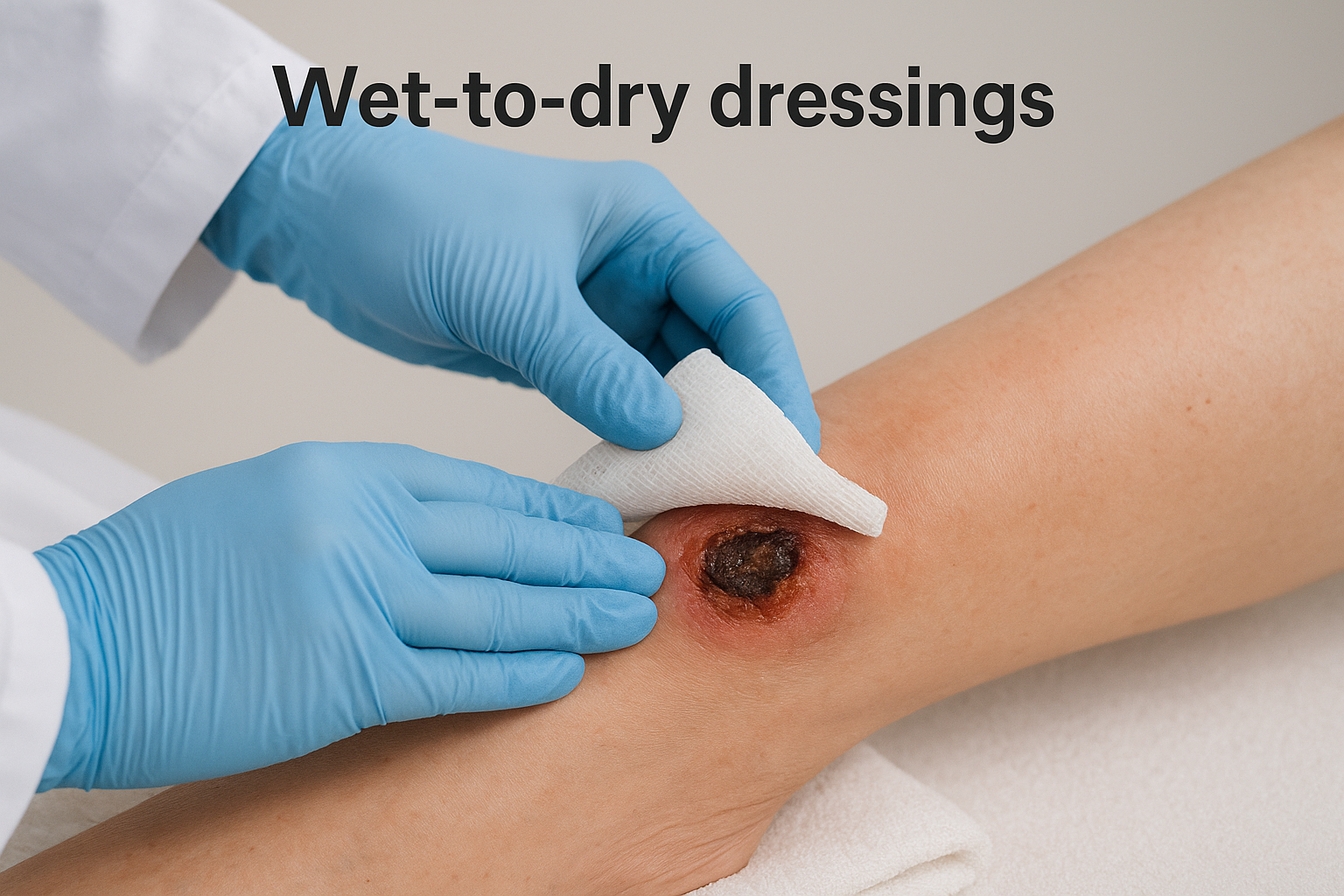
Wet-to-dry dressings are effective for wound beds with significant necrotic burden, but they require skilled application to avoid pulling away viable tissue during removal.
This technique carries the highest risk of damaging healthy granulation tissue if the dressing is left too long or removed too aggressively. Your clinician controls the timing and technique to minimize that risk while still achieving meaningful tissue removal.
Wound irrigation
Wound irrigation uses a pressurized stream of fluid, typically saline, to physically dislodge debris, loose necrotic tissue, and surface bacteria from the wound bed. The pressure matters: too low and the irrigation accomplishes little, too high and it can drive bacteria deeper into the tissue. Clinicians target a therapeutic pressure range that clears the wound surface without causing additional damage.
Irrigation is often used in combination with other debridement methods rather than as a standalone technique. It works particularly well on wounds with irregular shapes or undermining, where other mechanical tools can’t reach all surfaces effectively.
Hydrotherapy and whirlpool therapy
Hydrotherapy uses moving water to soften and loosen necrotic tissue before a clinician removes it manually. Whirlpool baths submerge the wound in agitated water, which hydrates dry eschar and separates loosened debris without direct scrubbing. This technique suits large wounds or burns where widespread softening is needed before more targeted debridement can proceed.
Hydrotherapy has fallen out of routine use in many settings due to infection control concerns, but it remains a viable option in supervised clinical environments when wound characteristics support it.
When clinicians choose mechanical debridement
No single debridement method works for every wound. Clinicians weigh wound characteristics, patient health, and the available care setting before selecting an approach. The mechanical debridement definition points to a nonselective, physically driven technique, and that profile makes it the right call in specific situations where other methods would be too slow, too expensive, or simply impractical.
Wounds carrying a heavy necrotic load
When a wound presents with thick slough or hardened eschar covering most of the wound bed, a faster, more aggressive approach beats the gradual action of autolytic or enzymatic methods. Mechanical techniques remove that tissue burden quickly, clearing the way for the wound to restart its healing cycle. This is especially relevant for patients referred to a mobile practice after a delayed hospital discharge, where wounds have often been managed conservatively and have accumulated significant dead tissue by the time a specialist gets involved.
The faster a clinician clears a wound bed, the sooner the patient can move on to restorative treatments like allograft therapy or advanced wound dressings.
Wet-to-dry dressings and irrigation are particularly well-suited to these high-burden wounds because they deliver mechanical action across the full wound surface rather than targeting isolated pockets of necrosis.
Situations where specialized products aren’t available or appropriate
Enzymatic agents and biological debridement products require specific storage conditions, prescriptions, and sometimes prior authorization from insurers. In home-based or mobile care environments, those logistical barriers slow down treatment. Mechanical techniques require basic supplies and skilled hands, making them the practical default when wound conditions call for immediate action and advanced agents aren’t on hand.
Combination therapy and wound preparation
Clinicians also turn to mechanical debridement as a preparatory step before applying advanced therapies. Irrigation cleans a wound bed before a new dressing is placed. Wet-to-dry debridement removes surface debris before a clinician assesses whether the wound is ready for a regenerative treatment. Your clinician may use a mechanical technique at the start of a visit not as the primary treatment, but as a reliable way to reset the wound environment so everything that follows has the best possible conditions to work.
Choosing the right method for the right wound at the right time is the core skill in wound management, and mechanical debridement earns its place precisely because it’s effective across a wide range of challenging scenarios.
Risks, side effects, and who should avoid it
The mechanical debridement definition includes a built-in limitation: physical force doesn’t distinguish between tissue types. That nonselective nature is the source of both its effectiveness and its primary risks. Before your clinician applies any mechanical technique, understanding the potential downsides and contraindications helps you ask better questions and recognize warning signs during recovery.
Pain and damage to healthy tissue
Mechanical debridement, especially wet-to-dry dressings, is one of the more painful debridement methods a patient can experience. Removing a dried gauze dressing pulls on whatever it has bonded to, which often includes newly formed granulation tissue along with the necrotic material you want gone. That kind of repeated trauma slows healing progress rather than supporting it.
Patients who experience significant pain during dressing removal should tell their clinician immediately, as technique adjustments or pre-procedural analgesics can reduce tissue damage and discomfort.
Wound irrigation carries lower pain risk than wet-to-dry techniques, but applying pressure above therapeutic levels can push bacteria deeper into the wound bed or disrupt delicate tissue at the wound margins. Your clinician controls the pressure and fluid volume, but you should know that any sharp increase in pain during irrigation is a signal worth reporting.
Patients who face higher risk
Certain health conditions make the nonselective nature of mechanical debridement a genuine concern. Patients with compromised circulation, such as those with peripheral arterial disease, have limited capacity to heal tissue disruption caused by aggressive debridement. Removing too much tissue in a poorly perfused wound can create a larger defect than the one you started with.
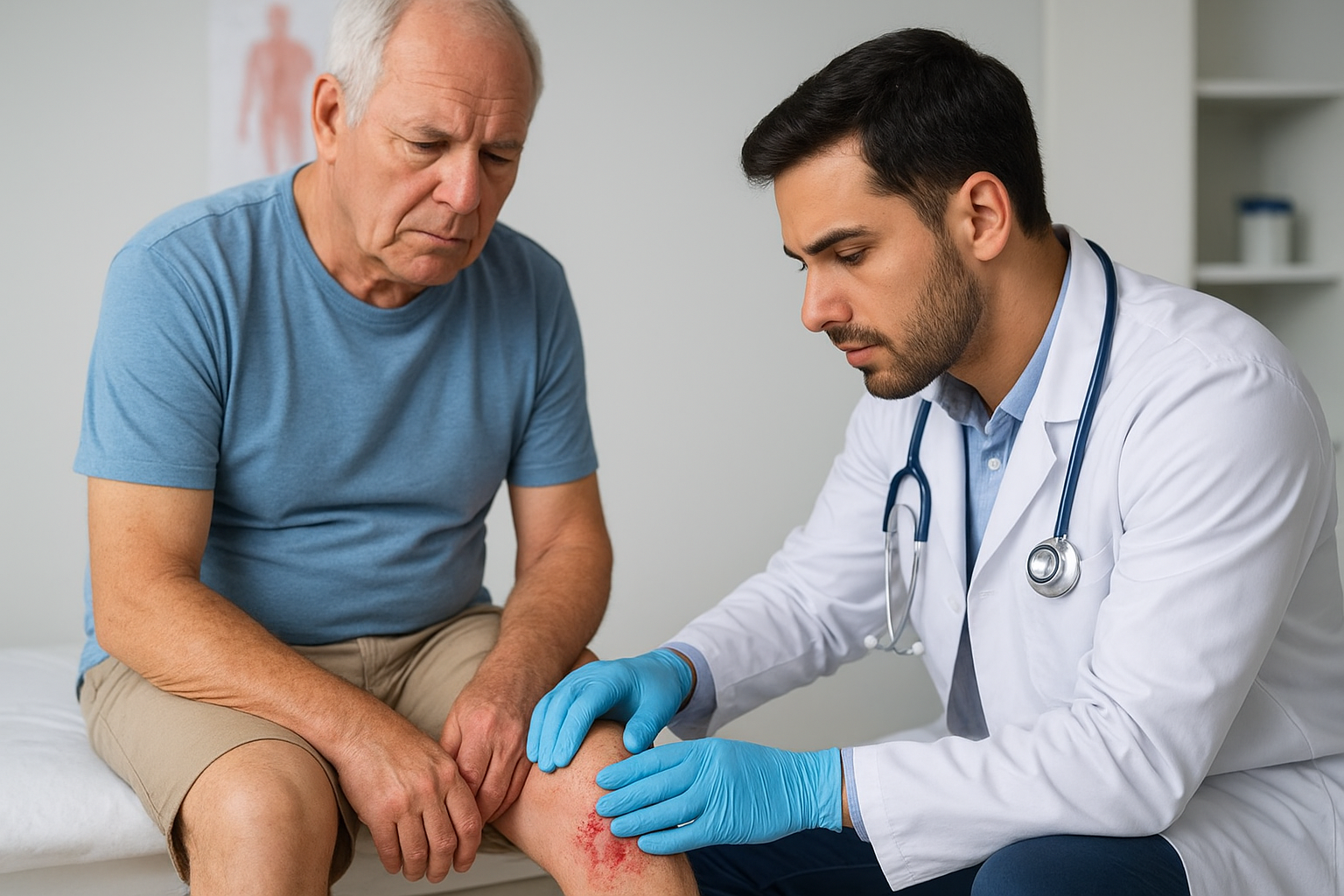
The following patient groups require especially careful evaluation before mechanical debridement proceeds:
- Patients with peripheral arterial disease or critical limb ischemia
- Individuals on anticoagulant therapy, where minor trauma can cause disproportionate bleeding
- Patients with exposed bone, tendon, or vascular structures in the wound bed
- Those with bleeding disorders or very low platelet counts
When to choose a different method
In wounds where healthy granulation tissue is already present and the goal is protecting that progress, a nonselective method introduces unnecessary risk. Enzymatic or autolytic debridement is the safer choice in those cases because neither damages viable tissue in the way mechanical techniques can. Your clinician should reassess the debridement approach at each visit as the wound evolves, switching methods when the wound’s condition and healing stage call for it.
What to expect during and after treatment
Knowing what a mechanical debridement session looks like from start to finish reduces anxiety and helps you participate actively in your care. The mechanical debridement definition explains what the technique is, but it doesn’t tell you what a real treatment session feels like or what your wound should look like in the days that follow. Both pieces of information matter when you’re managing a chronic or complex wound at home or in a care facility.
What happens during the procedure
Your clinician will examine the wound before touching it, noting the amount of necrotic tissue, the wound’s dimensions, and any signs of infection. This assessment shapes which mechanical technique gets applied and how aggressively. If your clinician plans to use a wet-to-dry dressing, they’ll place a moistened gauze directly against the wound bed and explain the removal timeline. If irrigation is the chosen method, you’ll feel a stream of saline flushing the wound surface, which most patients describe as pressure rather than sharp pain.
Tell your clinician about your pain level before and during the procedure so they can adjust technique or provide appropriate pain management before the next session.
Expect the session to take 15 to 30 minutes depending on wound size and complexity. After debridement, your clinician will apply a clean protective dressing suited to the wound’s current condition, then document what was removed, what the wound bed looks like, and what the next visit needs to address.
Recovery and signs of progress after treatment
Your wound may look larger or rawer immediately after debridement than it did before the session. That response is normal. Removing dead tissue exposes the wound bed beneath it, which is often deeper than the surface suggested. This temporary change in appearance doesn’t mean the wound is worsening; it means the clinician cleared the barrier that was hiding the wound’s true dimensions.
Watch for the following signs in the days after each session:
- Reduced wound odor as bacterial load decreases
- Appearance of pink or red granulation tissue forming at the wound base
- Decreased slough or eschar visible at the next visit
- Stable or shrinking wound margins without new breakdown
Contact your care team if you notice increasing redness, warmth, swelling, or discharge between visits, as these signals point to infection rather than a normal post-treatment response.
Next steps if you need help
The mechanical debridement definition gives you a foundation, but knowing what the technique involves is only useful if the right clinician applies it to the right wound at the right time. If you or someone in your care has a wound that isn’t responding to standard treatment, delayed specialist involvement is one of the most common reasons chronic wounds stall. The longer dead tissue remains in the wound bed, the harder recovery becomes.
Philadelphia Wound Care brings physician-led wound management directly to patients in their homes, skilled nursing facilities, and assisted living communities across the Philadelphia area. You don’t need to arrange transport or wait for a clinic opening to access advanced wound care. If you’re ready to get a specialist involved, request mobile wound care services in Philadelphia to start the process. A clinician will respond within 24 hours to evaluate your situation and build a treatment plan around your wound’s specific needs.