

Nutrition for Wound Healing: Best Foods and Key Nutrients
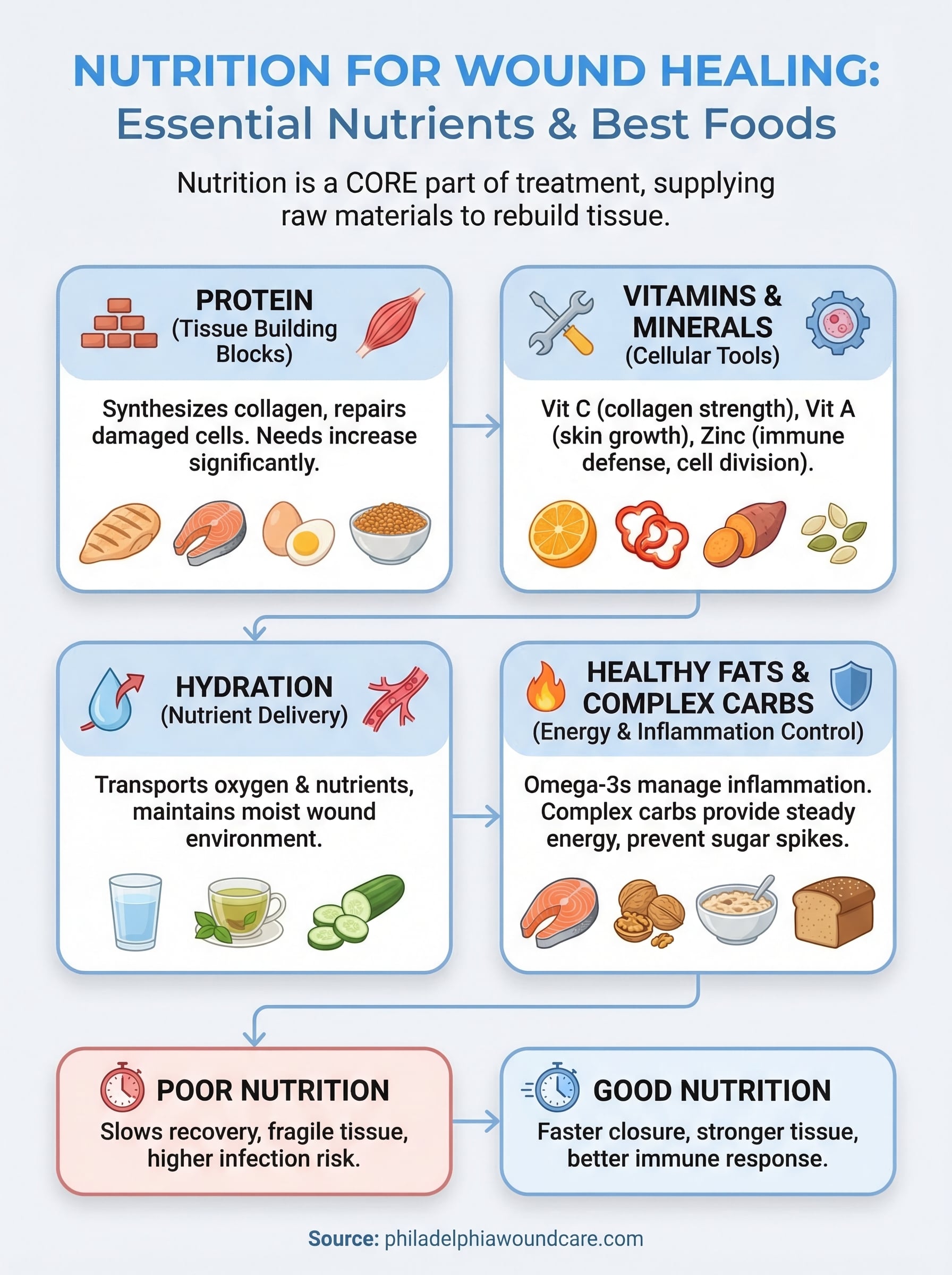
A wound can receive the best clinical care available and still stall if the body doesn’t have the raw materials it needs to rebuild tissue. That’s why nutrition for wound healing isn’t a secondary concern, it’s a core part of treatment. Protein, vitamins, minerals, and adequate caloric intake all play direct, measurable roles in how quickly and effectively a wound closes.
At Philadelphia Wound Care, our physician-led mobile practice treats chronic and complex wounds in homes, skilled nursing facilities, and hospice settings across the Philadelphia region. In that work, we see firsthand how nutritional status shapes healing outcomes. Patients who are well-nourished tend to recover faster. Those who aren’t, whether from poor appetite, chronic illness, or limited access to proper meals, often face prolonged recovery and a higher risk of complications like infection or wound breakdown.
This article breaks down the specific nutrients your body requires to repair damaged tissue, identifies the best foods to support each stage of healing, and offers practical guidance you can act on starting today. Whether you’re recovering from surgery, managing a diabetic ulcer, or caring for a loved one with a chronic wound that won’t close, understanding what belongs on the plate matters just as much as what’s on the bandage.
Why nutrition matters for wound healing
Your body treats every wound as a repair project, and nutrition supplies the construction materials. Without adequate protein, vitamins, minerals, and calories, the biological systems responsible for closing a wound simply can’t function at full capacity. Healing is energy-intensive, and it draws heavily on the nutrients you consume daily, or the ones you’ve been missing.
The four phases of wound repair
Wound healing moves through four overlapping phases: hemostasis, inflammation, proliferation, and remodeling. Each one depends on specific nutrients to proceed correctly. During hemostasis, your blood needs adequate vitamin K and calcium to form a stable clot. Inflammation, which clears bacteria and dead tissue, requires zinc and vitamin C to regulate immune cell activity. Proliferation, the phase where new tissue forms, is highly protein-dependent, as your body synthesizes collagen from amino acids. Remodeling, the final phase, can take months and continues to draw on micronutrient stores throughout.
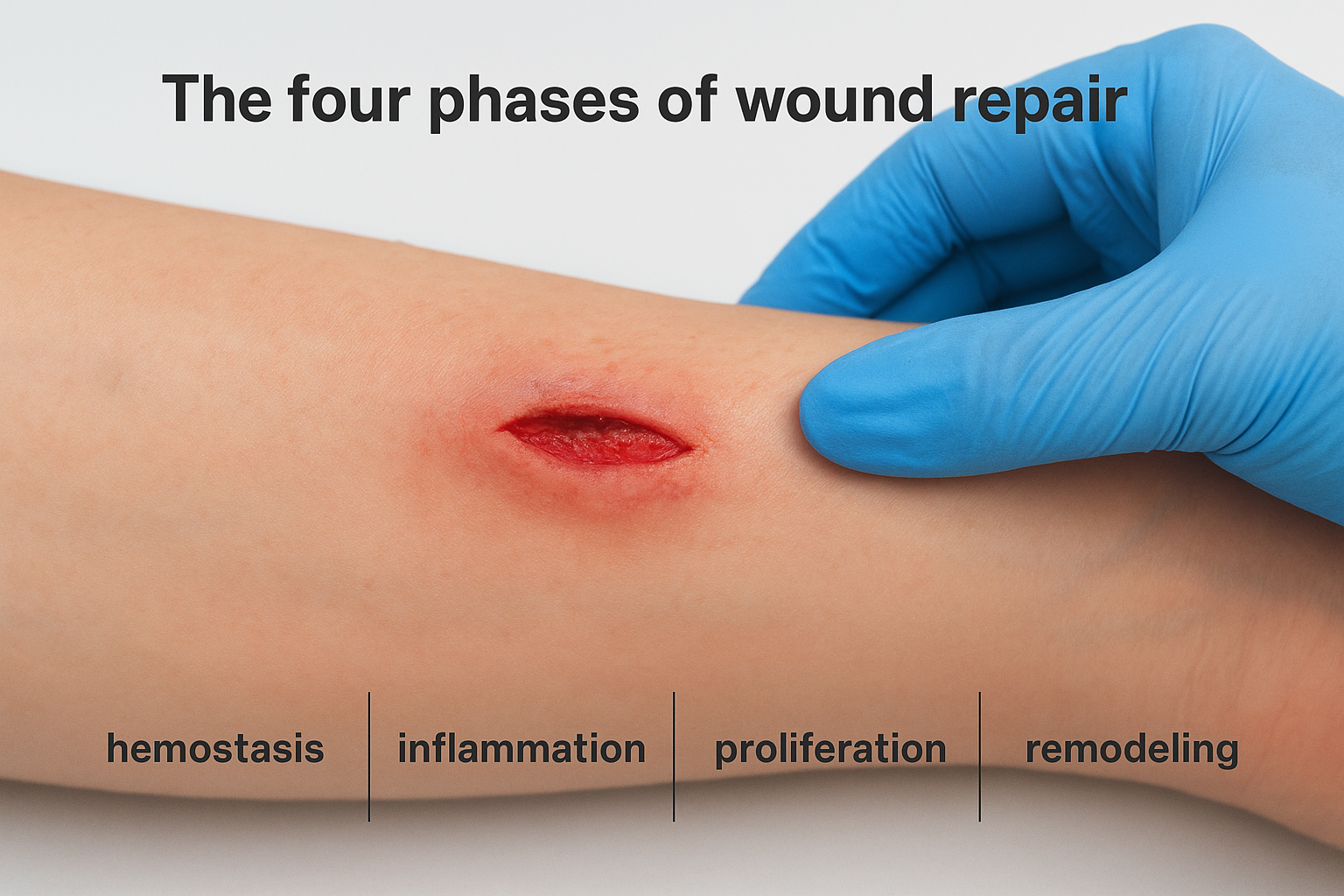
Missing key nutrients at any phase doesn’t just slow things down. It can halt progress entirely or produce fragile, poorly organized tissue that breaks down under normal pressure. Patients who appear to be healing on the surface sometimes experience wound breakdown weeks later because the underlying tissue was never structurally sound to begin with.
Wound healing isn’t a single event. It’s a sequenced biological process, and each step requires specific nutritional inputs to complete.
What malnutrition does to a healing wound
When your nutritional status is poor, the effects show up directly in the wound. Protein deficiency reduces the availability of amino acids needed to build collagen, the primary structural protein in repaired tissue. Low vitamin C levels impair collagen cross-linking, which means newly formed tissue lacks tensile strength. Zinc deficiency slows cell division and reduces immune protection at the wound site, raising infection risk considerably.
Clinically, these deficits translate into wounds that stall in the inflammatory phase, wound edges that fail to contract, and tissue that re-opens after it appears to have closed. For patients managing chronic wounds such as diabetic foot ulcers or pressure injuries, nutritional gaps are one of the most overlooked reasons why a wound won’t progress despite appropriate dressings and consistent clinical care.
Conditions that raise nutritional risk
Several common health conditions interfere with your body’s ability to maintain the nutritional stores needed for healing. Diabetes disrupts glucose metabolism and impairs circulation, both of which compromise nutrient delivery to wound tissue. Chronic kidney disease restricts protein intake by clinical necessity, which limits tissue repair capacity. Older adults face reduced appetite, impaired nutrient absorption, and lower baseline protein reserves, making them particularly vulnerable to nutritional shortfalls during recovery.
Poor nutrition for wound healing isn’t always the result of eating too little. It can stem from malabsorption, medication side effects, or unmet increased demands that standard intake can no longer cover once a wound is present. Recognizing which patients carry elevated nutritional risk is a key part of any comprehensive wound management plan, and it should be assessed early in treatment, not only after healing fails to progress.
How wound healing changes your calorie needs
Most people underestimate how much energy the body burns during active wound repair. Healing tissue is metabolically expensive, and your daily calorie needs rise significantly once a wound is present, especially if it’s large, chronic, or infected. Ignoring that increase means your body will pull resources from muscle and stored protein, slowing the repair process and weakening your overall condition.
The energy cost of tissue repair
When a wound is open and actively healing, your body shifts into a higher metabolic state similar to what happens during recovery from surgery or a significant illness. Cellular activity accelerates, your immune system runs at elevated capacity, and collagen synthesis demands a steady fuel supply. All of that work draws on your daily caloric intake first. If those calories aren’t available, your body breaks down muscle tissue to meet the demand, which reduces the amino acid supply needed for tissue repair at exactly the moment it’s most critical.
Running a calorie deficit during wound healing doesn’t just slow recovery, it actively cannibalizes the resources your body needs to rebuild.
For patients already managing chronic conditions like diabetes or vascular disease, this metabolic burden compounds existing nutritional vulnerabilities. A poorly nourished patient who develops a pressure injury or diabetic ulcer may already be operating at a deficit before healing even begins, which is one reason that nutrition for wound healing needs to be assessed at the start of treatment, not treated as an afterthought.
How much more you may need
The actual calorie increase depends on wound size, infection status, and the patient’s baseline health. General clinical guidance suggests that adults with active wounds need between 30 and 35 calories per kilogram of body weight daily, compared to the standard estimate of roughly 25 to 30 for a healthy adult at rest. Patients with large or infected wounds may require up to 40 calories per kilogram to keep up with metabolic demand.
For a 70-kilogram (154-pound) person, that gap represents an additional 350 to 700 calories per day over baseline. Reaching that target through whole foods rather than processed or high-sugar options is important, since the quality of calories affects more than just the energy they provide. Nutrient-dense foods deliver the vitamins and minerals that fuel specific repair processes, while empty calories leave those needs unmet despite adequate total intake.
Hydration and electrolytes that support healing
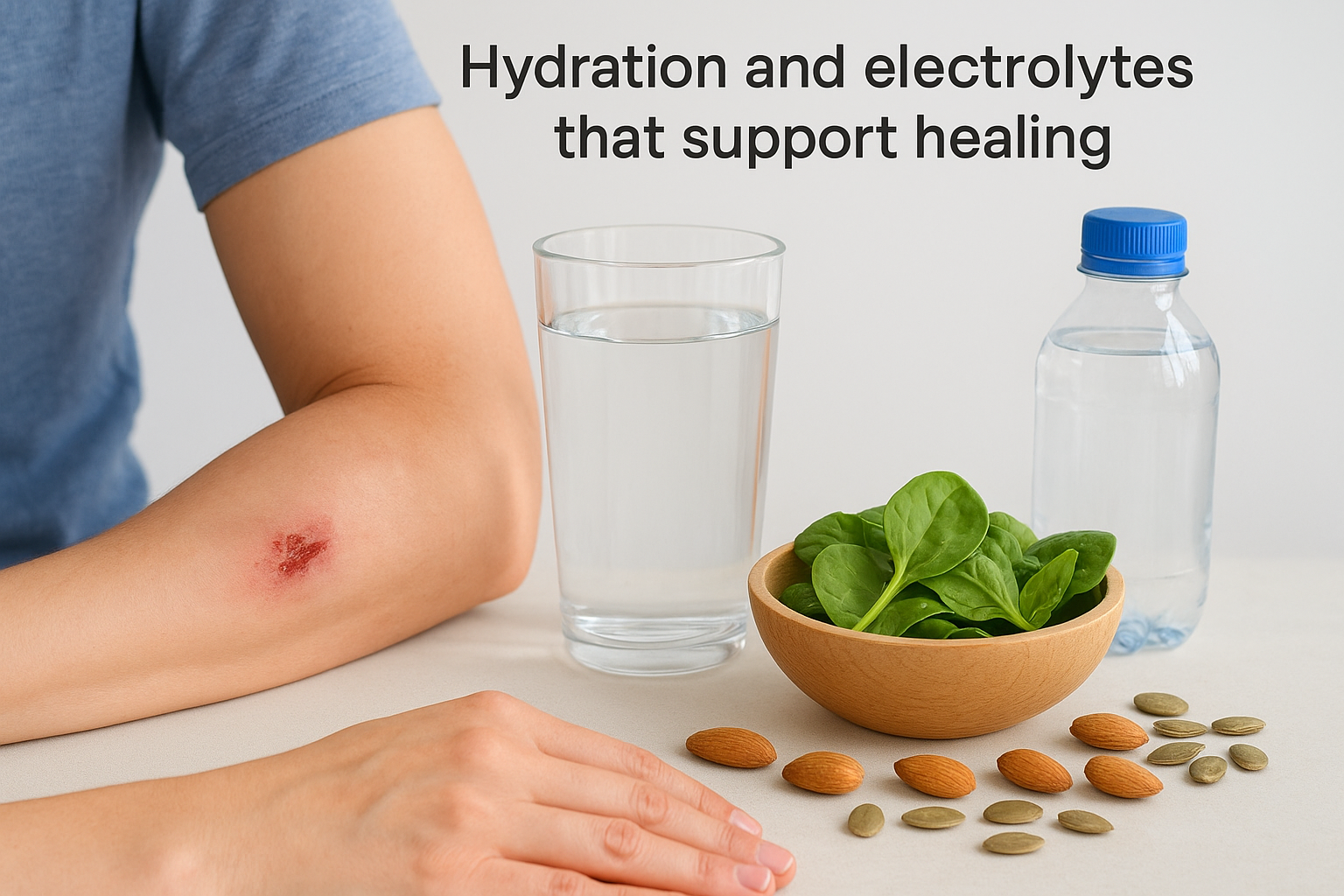
Water is often the most overlooked component of nutrition for wound healing, but it plays a direct role in nearly every biological process involved in tissue repair. Your body uses water to deliver oxygen and nutrients to wound tissue, flush out waste products, and maintain the moist wound environment that supports cell migration and closure. Without adequate fluid intake, even a well-designed nutrient plan loses much of its effectiveness.
Why dehydration slows tissue repair
Dehydration reduces blood volume, which limits how efficiently your circulatory system can transport nutrients and immune cells to the wound site. Reduced perfusion at the wound bed means slower collagen synthesis, impaired immune response, and a higher likelihood that the wound stalls in the inflammatory phase. For older adults and patients with vascular disease or diabetes, circulation is already compromised, making dehydration an especially serious risk factor.
Hydration is not a soft recommendation. A dehydrated patient loses the delivery mechanism that carries every other healing nutrient to the wound.
Open wounds also cause transepidermal water loss that goes beyond what most patients account for in their daily fluid intake. Healing tissue loses moisture directly through the repair process itself, which means your baseline hydration habits may not be enough once a significant wound is present. A general clinical target for adults with active wounds is 35 to 45 milliliters of fluid per kilogram of body weight per day, though individual needs vary based on wound size, fever, medications, and overall health status.
Key electrolytes and what they do for healing
Electrolytes regulate fluid balance inside and outside your cells, and several have specific roles in wound repair. Sodium and potassium maintain cellular hydration and help control the osmotic pressure that drives nutrient exchange across cell membranes. Without the right balance, cells at the wound margin cannot function properly, and tissue repair slows even when your total fluid intake appears sufficient.
Zinc and magnesium also function as electrolytes within cellular environments and directly support wound healing mechanisms. Zinc drives cell proliferation and protects the wound site against infection. Magnesium activates enzymes involved in protein synthesis, which is necessary for new tissue formation. Reaching adequate levels of both through whole foods such as leafy greens, nuts, seeds, and lean proteins supports hydration balance and the broader repair process at the same time.
Protein and amino acids for tissue repair
Protein is the single most critical macronutrient in nutrition for wound healing. Your body uses amino acids, the building blocks of protein, to synthesize collagen, repair cell membranes, produce immune cells, and rebuild the structural matrix of damaged tissue. Without a sufficient and consistent protein supply, every phase of the healing process operates at a deficit. Collagen production stalls, immune function weakens, and new tissue forms poorly, making wounds vulnerable to breakdown long after they appear to have closed.
How much protein you actually need
Healthy adults typically require around 0.8 grams of protein per kilogram of body weight daily. That baseline is not enough once a wound is present. Clinical guidance for patients with active wounds generally ranges from 1.25 to 1.5 grams per kilogram of body weight per day, with patients managing large wounds, pressure injuries, or infections sometimes requiring up to 2 grams per kilogram to keep pace with demand.
For a 70-kilogram adult, that can mean eating 87 to 140 grams of protein daily, nearly double what a sedentary person needs at baseline.
Reaching those targets through diet alone requires intentional food choices at every meal. Spreading protein intake across three to four meals is more effective than concentrating it in one sitting, since the body can only absorb and use a limited amount of protein per meal for muscle and tissue synthesis. Patients with reduced appetite, swallowing difficulties, or poor overall intake may need supplemental options to bridge the gap.
Best protein sources for healing
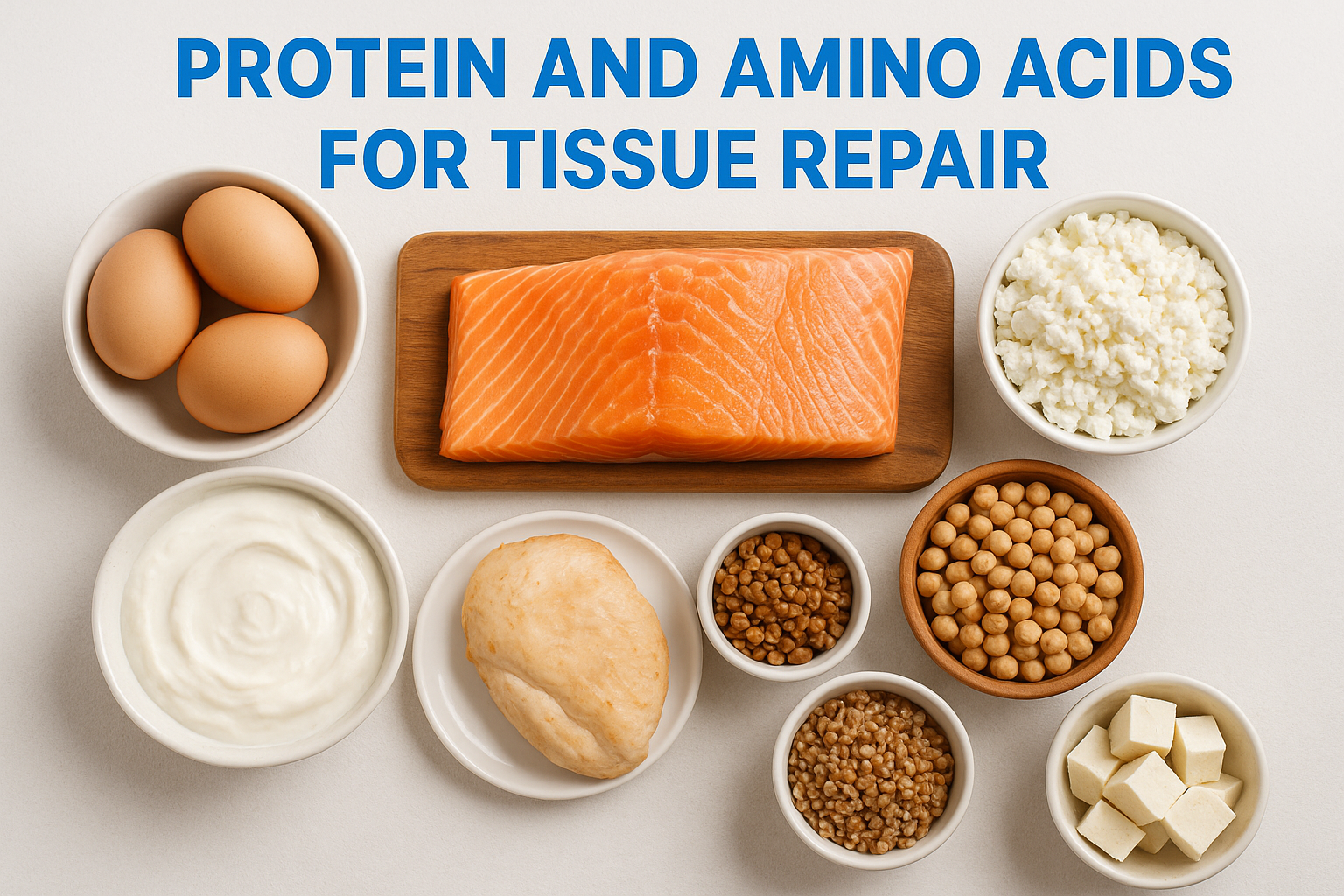
Animal-based proteins provide a complete amino acid profile, meaning they contain all the essential amino acids your body cannot produce on its own. Eggs, lean chicken, fish, Greek yogurt, and cottage cheese are practical, high-quality options that work across most dietary preferences and eating abilities. Beef and poultry also supply zinc and B vitamins, which directly support the repair process alongside the protein itself.
Plant-based proteins can meet healing needs when combined thoughtfully. Lentils, chickpeas, edamame, tofu, and quinoa all contribute meaningful amounts of protein. Pairing complementary plant sources across the day, such as beans with rice or lentils with whole grain bread, ensures your amino acid profile stays complete. If meeting protein targets through food remains difficult, a physician or registered dietitian can help evaluate whether a high-protein oral supplement is appropriate for your situation.
Carbs, blood sugar, and energy for recovery
Carbohydrates are your body’s preferred fuel source, and during active wound healing, that fuel demand goes up. Glucose, derived from carbohydrates, powers the cellular activity behind every phase of repair, from immune cell function to collagen synthesis. The key in nutrition for wound healing is choosing carbohydrates that deliver steady energy without causing the blood sugar spikes that impair the healing process.
How blood sugar affects wound repair
Elevated blood sugar interferes with healing in several specific ways. High glucose levels damage blood vessels over time, reducing the flow of oxygen and nutrients to wound tissue. They also impair white blood cell function, which weakens your immune defense at the wound site and raises the risk of infection. For patients managing diabetes, poorly controlled blood sugar is one of the primary reasons chronic wounds like diabetic foot ulcers fail to progress despite consistent medical treatment.
Controlling blood sugar isn’t just a diabetes management goal. It’s a direct wound healing strategy for anyone recovering from a significant injury.
Even in patients without diabetes, post-meal glucose spikes can temporarily suppress immune function and slow the cellular processes your body relies on to close a wound. Choosing carbohydrates that release glucose gradually helps maintain the stable energy supply the healing process requires without triggering those disruptive peaks.
The best carbohydrate sources for healing
Not all carbohydrates affect blood sugar the same way. Complex carbohydrates found in whole grains, legumes, sweet potatoes, and vegetables release glucose slowly and come packaged with fiber, B vitamins, and minerals that directly support tissue repair. Oats, brown rice, lentils, and quinoa are practical choices that contribute to both your energy needs and your broader micronutrient intake, making them more valuable than refined options like white bread or sugary snacks.
Fiber also supports healing indirectly by feeding beneficial gut bacteria, which play a role in systemic immune function and inflammation regulation. A diet built around whole-food carbohydrates keeps your energy levels consistent, reduces glucose variability, and supplies the B vitamins your body uses to metabolize protein and support the cellular machinery behind wound repair. Simple swaps, such as replacing white rice with brown rice or processed snacks with fruit and nuts, can make a meaningful difference in your recovery timeline.
Healthy fats, omega-3s, and inflammation
Fat often gets treated as something to limit during recovery, but that approach misses the point. Dietary fat supports cell membrane integrity, helps your body absorb fat-soluble vitamins like A, D, E, and K, and plays a central role in regulating the inflammatory response that drives wound repair. The type of fat you consume matters significantly in nutrition for wound healing, and choosing the right sources can mean the difference between controlled, productive inflammation and the kind of chronic, systemic inflammation that keeps wounds from closing.
Why inflammation control matters for healing
Inflammation is a necessary part of wound repair, not something to eliminate entirely. Your body uses it to clear bacteria, remove dead tissue, and signal the start of the proliferation phase. The problem arises when inflammation becomes prolonged and unresolved, which stalls healing in the early phase and prevents the tissue rebuilding that follows.
Chronic inflammation doesn’t just slow wound healing. It actively damages the newly forming tissue your body is trying to lay down.
Omega-3 fatty acids, found in fatty fish, walnuts, and flaxseeds, help regulate this response by producing anti-inflammatory signaling molecules called resolvins and protectins. These compounds help your immune system move through the inflammatory phase and transition into tissue repair rather than cycling through ongoing immune activation. Patients with chronic wounds, particularly those tied to diabetes or vascular disease, often carry elevated baseline inflammation, making omega-3 intake especially relevant to their recovery.
Best fat sources for wound recovery
Not all fats contribute equally. Omega-3-rich foods like salmon, mackerel, sardines, chia seeds, and walnuts actively support the inflammatory regulation your healing wound depends on. Olive oil provides oleocanthal, a compound with documented anti-inflammatory properties, and works as a practical everyday fat for cooking and dressings. Avocados deliver both healthy monounsaturated fat and potassium, which supports cellular hydration alongside the anti-inflammatory benefit.
Saturated fats from highly processed foods and trans fats found in fried or packaged snacks tend to promote inflammatory signaling rather than resolve it. Reducing those sources while increasing your intake of whole-food fats from fish, nuts, seeds, and olive oil gives your immune system better tools to manage the healing process. Practical changes like swapping chips for a handful of walnuts or adding half an avocado to a meal can shift your fat intake in a direction that supports, rather than hinders, recovery.
Vitamins and minerals that help wounds heal
Macronutrients like protein and fat get most of the attention in nutrition for wound healing, but micronutrients are where much of the precise biological work happens. Vitamins and minerals act as cofactors, meaning your body cannot complete many of the enzymatic reactions behind tissue repair without them, regardless of how much protein or how many calories you consume. Deficiencies in even a single key micronutrient can stall a wound that looks like it should be progressing.
Vitamin C, vitamin A, and zinc
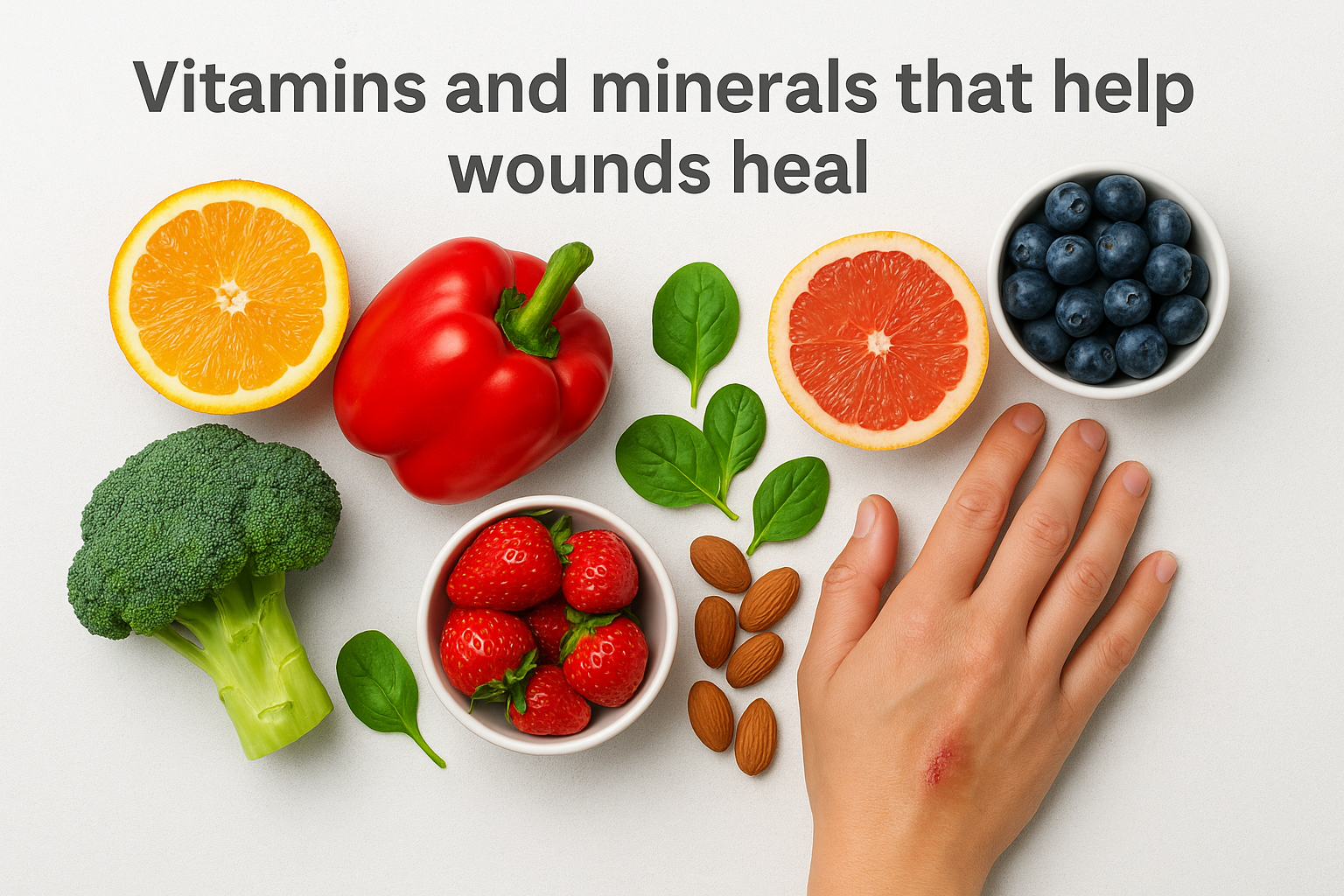
Vitamin C is essential to collagen synthesis. Your body uses it to stabilize the collagen molecule structure, and without adequate levels, the collagen your body produces is fragile and poorly cross-linked. That leads to tissue that breaks down under pressure or reopens after appearing healed. You can find vitamin C in bell peppers, citrus fruits, strawberries, and broccoli, and most adults healing from a significant wound benefit from consistent daily intake rather than occasional high doses.
Vitamin A and zinc together form a powerful pairing for wound repair, one rebuilding tissue structure while the other defends the wound against infection.
Vitamin A supports cell differentiation and epithelial tissue growth, which means it directly drives the formation of new skin over the wound bed. It also modulates immune function during the inflammatory phase. Zinc closes out this trio by enabling cell division and protein synthesis at the wound site while also regulating the inflammatory response. Low zinc levels are associated with impaired wound contraction and increased susceptibility to infection, making it one of the more critical minerals to monitor in patients with chronic or non-healing wounds.
B vitamins, vitamin D, and iron
B vitamins, particularly B6, B9 (folate), and B12, support the cellular metabolism that powers tissue repair. They help your body process the protein and carbohydrates you eat into usable energy and amino acids, making them important catalysts rather than direct building materials. Whole grains, eggs, legumes, and leafy greens cover most of your B vitamin needs across a varied diet.
Vitamin D regulates immune response and supports calcium metabolism, which plays a role in cellular signaling during healing. Iron is necessary for oxygen transport, and without adequate red blood cell function, wound tissue receives less oxygen at exactly the time it needs more. Lean red meat, lentils, spinach, and fortified cereals help maintain both iron stores and B vitamin levels simultaneously.
Best foods and meal ideas for wound healing
Knowing which nutrients matter is useful, but translating that knowledge into actual meals is where most patients struggle. A practical approach to nutrition for wound healing doesn’t require specialty foods or complicated preparation. It requires building meals around a short list of nutrient-dense ingredients that cover your protein, vitamin, mineral, and healthy fat needs at the same time.
Top healing foods to prioritize
Several foods deliver multiple healing nutrients in a single serving, making them especially efficient choices during recovery. Eggs supply complete protein, vitamin A, B12, and zinc. Salmon and sardines cover protein, omega-3 fatty acids, and vitamin D in one meal. Sweet potatoes provide complex carbohydrates, vitamin A, potassium, and vitamin C without spiking blood sugar. Lentils offer plant-based protein, folate, iron, and magnesium for patients who prefer or require lower animal protein intake.
A single meal built around two or three of these foods can address several nutritional needs your wound depends on simultaneously.
Bell peppers, spinach, Greek yogurt, walnuts, and fortified oatmeal round out a core list that covers most of the vitamins, minerals, and macronutrients this article has covered. Keeping these foods consistently stocked reduces the friction between knowing what to eat and actually eating it, which matters especially for patients managing fatigue or reduced appetite during recovery.
Simple meal ideas to hit your targets
Putting these ingredients together doesn’t require elaborate recipes. A breakfast of scrambled eggs with spinach and a side of sliced bell peppers delivers protein, vitamins A and C, and iron in under ten minutes. Lunch built around a lentil soup with whole grain bread and a piece of fruit covers your complex carbohydrates, plant protein, folate, and vitamin C without any complicated prep.
Dinner centered on a salmon fillet with roasted sweet potato and steamed broccoli checks your omega-3, protein, vitamin A, vitamin C, and potassium boxes in one plate. For patients with reduced appetite or difficulty eating full meals, Greek yogurt with walnuts and berries works as a calorie-dense, protein-rich snack that contributes meaningfully to your daily targets without requiring a full meal. Building this kind of structure into your day, rather than eating reactively, gives your body a consistent supply of the materials it needs to keep the repair process moving.
Next steps for better healing
Every point in this article comes back to the same core idea: nutrition for wound healing works when it’s consistent, specific, and built around the right foods and nutrients at every meal. Protein drives tissue repair. Vitamins C, A, and zinc keep the repair process structurally sound. Healthy fats, controlled blood sugar, and adequate hydration support the entire system from the inside out. Knowing what to eat is a meaningful part of your recovery, but it works best when combined with expert clinical care that addresses the wound directly.
If you or someone you care for is dealing with a wound that isn’t closing, specialized wound management paired with nutritional support makes a measurable difference in outcomes. Philadelphia Wound Care brings physician-led treatment directly to your home, facility, or care setting across the Philadelphia region. Reach out today to schedule a mobile wound care visit and get a care plan that treats the whole patient.