

6-Step Home Health Care Safety Checklist for Seniors At Home
A loose bathroom rug or a dimly lit hallway might seem like minor annoyances to most people. But for a senior recovering from surgery or managing a chronic wound at home, those small hazards can lead to falls, new injuries, and serious setbacks. At Philadelphia Wound Care, our physicians treat patients in their homes every day, and we see firsthand how the home environment directly affects healing. A safe space isn’t just a comfort; it’s a clinical necessity.
That’s exactly why having a thorough home health care safety checklist matters. When a patient is receiving care at home, whether for a diabetic ulcer, a pressure wound, or post-surgical recovery, the environment around them plays a real role in their outcome. Clutter near a bedside, poor lighting on stairs, or an inaccessible bathroom can undo weeks of medical progress in a single moment.
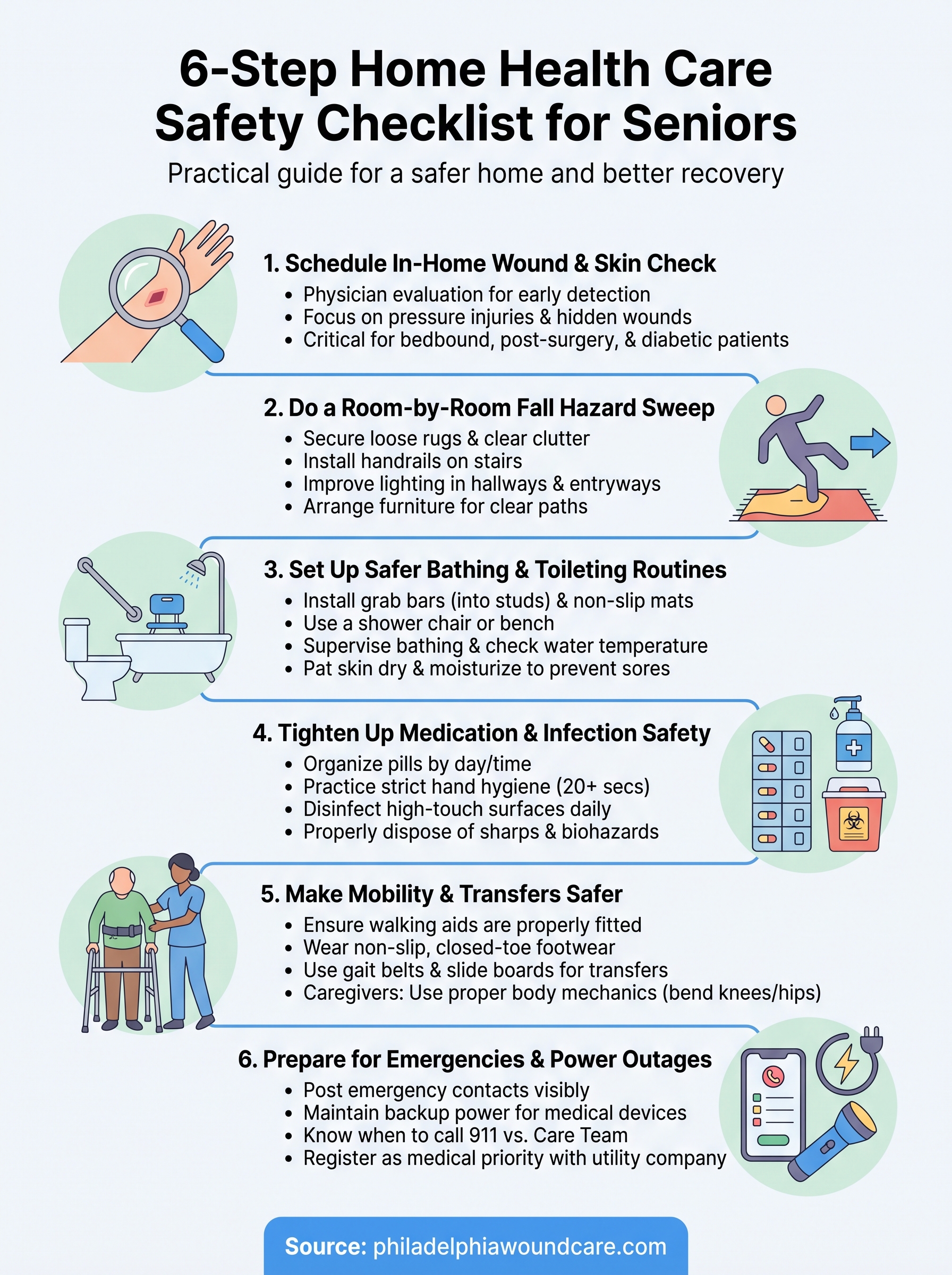
This guide breaks down six practical steps to audit and improve home safety for seniors or anyone receiving home health services. Each step targets specific risks, room by room, so you can identify hazards before they cause harm, and build an environment that supports recovery instead of threatening it.
1. Schedule an in-home wound and skin check
The first step on any solid home health care safety checklist is confirming that a qualified clinician evaluates your loved one’s skin. Wounds and pressure injuries often develop in spots that are hard to see during routine caregiving, and catching a problem early is the difference between a simple dressing change and a serious hospital visit.
Who should get a wound and skin check now
Anyone who spends most of their day in a bed or chair sits at elevated risk for pressure injuries and should be evaluated promptly. The same applies to patients managing diabetes, poor circulation, or peripheral artery disease, as well as anyone who has recently had surgery.
Patients recently discharged from a hospital or rehabilitation facility also need early skin assessment at home. Skin breakdown can begin during inpatient stays and go completely undetected at discharge. Getting a physician’s eyes on the skin within the first week home removes uncertainty and gives caregivers a clear baseline to work from.
Catching skin breakdown in its earliest stage takes minutes to treat; leaving it unaddressed can mean months of wound care.
Checklist: what to document before the visit
Preparing key information before the appointment allows the physician to focus fully on assessment rather than gathering background details. Before the clinician arrives, have these items ready and organized:
- Current medications, including blood thinners, steroids, and antibiotics
- A list of known wounds or skin concerns, including when each first appeared
- Any recent lab results, particularly those related to blood sugar, circulation, or infection
- Wound care supplies currently in use so the clinician can evaluate whether they are appropriate
Warning signs that need same-day medical attention
Some changes require immediate contact with a wound care provider, not a wait for the next scheduled visit. Red streaking spreading away from a wound, foul-smelling or discolored discharge, and a sudden increase in wound size are all urgent findings that need attention today.
Fever occurring alongside any open or healing skin injury is another warning sign pointing to possible systemic infection. Your job is not to diagnose, but acting quickly on these signals can stop a manageable wound from becoming a life-threatening complication.
2. Do a room-by-room fall and trip hazard sweep
Falls are one of the most preventable causes of injury for seniors at home, yet they remain the leading source of emergency room visits in this population. A methodical walk-through of each room gives you a clear picture of where real risks are hiding before anyone gets hurt.
Entryways, stairs, and hallways checklist
These transition areas carry high trip risk because they connect spaces and see frequent foot traffic. Check each of these:
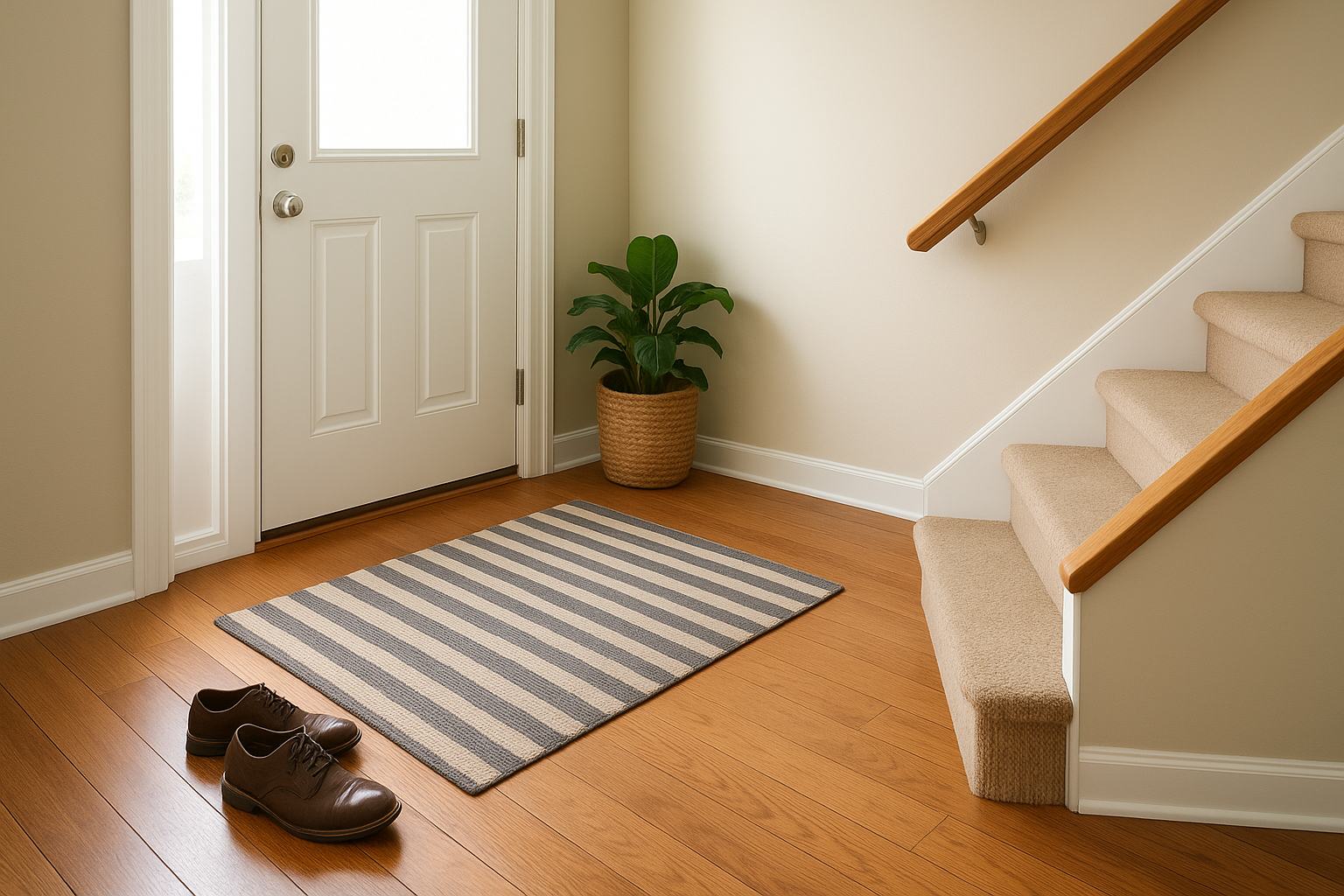
- Secure all loose rugs with non-slip backing or remove them entirely
- Install handrails on both sides of every staircase
- Confirm that lighting is bright enough to see each step clearly
- Clear all clutter, bags, and shoes from walkway floors
Living room and bedroom checklist
The places where your loved one spends the most time are also where many falls occur. Furniture arrangement matters just as much as floor surfaces here.
Move furniture so there is a clear, direct path from the bed to the bathroom with nothing in the way.
- Anchor or remove any unstable furniture that could shift under weight
- Place a nightlight within reach of the bed for nighttime navigation
- Keep frequently used items on surfaces between hip and shoulder height
Kitchen and laundry area checklist
Wet floors and awkward reaching movements make these two rooms particularly risky for seniors. Install a grab bar near the stove and use non-slip mats in front of the sink. Relocating everyday items out of low cabinets reduces the need to bend or crouch, cutting down on a common source of off-balance falls.
3. Set up safer bathing and toileting routines
The bathroom is where most in-home falls happen, and for patients managing open wounds or fragile skin, a fall here carries extra risk. Building a few targeted habits and adding the right equipment can make this room dramatically safer to use every day.
Bathroom setup checklist
Start by assessing the physical layout before anything else. Grab bars installed near the toilet and inside the shower or tub give your loved one something solid to hold during the most vulnerable moments of the day.
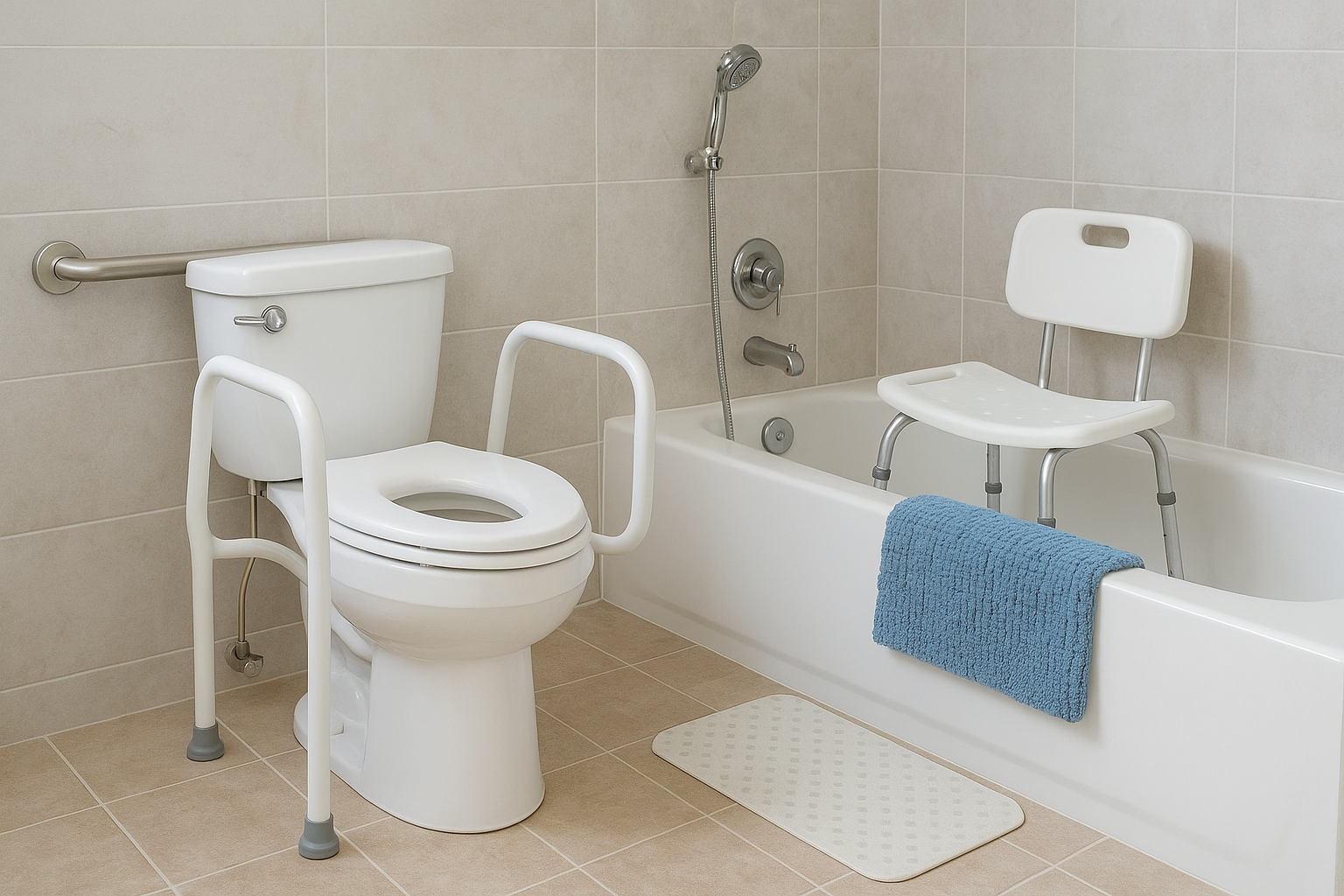
- Mount grab bars into wall studs, not just drywall
- Place non-slip mats inside the tub or shower and directly outside it
- Install a raised toilet seat or toilet safety frame if standing from a low seat is difficult
- Add a shower chair or bench so bathing can happen while seated
Bathing and hygiene safety checklist
Never leave a senior with limited mobility or an active wound unsupervised during bathing. Use a handheld showerhead to control water direction and keep soap, shampoo, and towels within arm’s reach before starting.
Running a quick check on water temperature before your loved one steps in prevents scalds, which can become serious wounds in patients with reduced sensation.
Skin protection steps to help prevent sores
After bathing, pat skin dry rather than rubbing, paying close attention to skin folds, heels, and bony prominences. Apply a moisture barrier or gentle moisturizer to dry areas immediately, since cracked or overly dry skin breaks down faster under pressure.
4. Tighten up medication and infection safety
Medication errors and infection risks belong on every home health care safety checklist, yet they receive less attention than physical hazards do. Missed doses, drug interactions, and contaminated dressing supplies can all set back a wound that was otherwise healing on schedule.
Medication organization checklist
Keeping medications organized cuts the chance of missed or doubled doses, which matters even more when your loved one takes blood thinners or antibiotics connected to wound care.
- Use a labeled pill organizer sorted by day and time of day
- Store all medications in a cool, dry location away from direct sunlight
- Keep an updated medication list with current dosages ready for every care visit
Hand hygiene and surface cleaning checklist
Proper hand hygiene is the most reliable way to prevent wound infections at home. Before touching any wound, dressing, or medical supply, wash your hands with soap and water for at least 20 seconds.
The CDC confirms that consistent hand washing reduces infection rates more reliably than surface disinfectants alone.
Wipe down high-touch surfaces, including bed rails, call buttons, and doorknobs, daily with an EPA-approved disinfectant to reduce cross-contamination risk significantly.
Sharps and biohazard disposal checklist
Used needles, lancets, and soiled dressings carry serious infection risk if handled carelessly. Disposing of these items correctly protects everyone in the home, including visiting caregivers.
- Place all sharps into an approved puncture-resistant container immediately after use
- Seal soiled dressings in tied plastic bags before placing them in the trash
- Contact your local pharmacy or health department for free sharps disposal drop-off options
5. Make mobility and transfers safer for everyone
Moving from a bed to a chair or navigating a hallway is where many injuries occur, both for patients and the caregivers assisting them. This part of your home health care safety checklist focuses on reducing those risks through equipment, technique, and a clear routine that everyone in the home can follow consistently.
Walking aids and footwear checklist
Using the right walking aid for your loved one’s specific strength and balance level makes a real difference in daily stability. Have a physical therapist confirm that the current aid, whether a cane, walker, or rollator, is the correct type and properly fitted to the right height.
- Replace worn rubber tips on canes and walkers before they become slick
- Ensure your loved one wears non-slip, closed-toe footwear at all times, never socks alone on hard floors
- Keep the walking path clear of pets, cords, and furniture at all times
Transfer and repositioning checklist
Repositioning a bedridden patient every two hours is one of the most effective ways to prevent pressure injuries from forming.
Gait belts give caregivers a secure hold during transfers and should be used whenever moving a patient from bed to chair or chair to toilet. Keep a slide board accessible for patients with limited lower body strength.
Caregiver body mechanics checklist
Injuries to caregivers are common and entirely preventable with proper technique. Always bend at your knees and hips, never your lower back, when lifting or repositioning a patient.
- Keep the patient close to your body during any transfer
- Ask for help rather than attempting solo lifts when the patient cannot bear any weight
6. Prepare for emergencies and power outages
The final piece of your home health care safety checklist is emergency readiness. Power outages, sudden health changes, and falls can happen without warning, and having a clear plan means everyone in the household knows exactly what to do before a crisis develops.
Emergency contacts and care info checklist
Keep a printed emergency contact sheet posted somewhere visible, such as on the refrigerator or near the front door, so any caregiver or first responder can access it without searching through a phone.
- Primary care physician and wound care provider with direct phone numbers
- Local emergency services and poison control numbers
- Insurance ID numbers and a current medication and allergy list
Backup power and equipment checklist
Patients who rely on powered medical equipment, such as oxygen concentrators or electric hospital beds, face real risk during outages.
Register with your local utility company as a medical priority customer so your address is flagged for faster power restoration after an outage.
- Keep fully charged backup batteries for all essential devices
- Store a manual blood pressure cuff and working flashlights in an accessible location
When to call 911 vs. the care team checklist
Knowing the difference between emergencies and urgent but non-life-threatening situations saves critical response time. Call 911 for chest pain, difficulty breathing, or a fall involving a suspected fracture or loss of consciousness. Contact your wound care team directly for new wound bleeding, signs of local infection, or a dressing that has come loose and cannot be replaced at home.
A safer home, one step at a time
Working through this home health care safety checklist is one of the most direct things you can do to protect your loved one’s health and support their recovery. Each step, from clearing trip hazards to organizing medications, addresses a real and specific risk that affects healing outcomes every day. You do not need to complete everything at once. Tackle one section at a time, and the cumulative effect builds a home environment that works with the medical care your loved one is receiving, not against it.
When wounds are part of the picture, professional clinical support makes a meaningful difference in how quickly and safely recovery happens. If your loved one has a non-healing wound, a skin concern, or was recently discharged from a hospital, a physician-led evaluation at home is the right next step. Contact our team today through our mobile wound care services in Philadelphia to schedule an in-home visit.