

Temple Wound Care Clinic Philadelphia: Locations & Services
If you or a loved one is dealing with a chronic or non-healing wound, finding the right specialist matters. A search for temple wound care clinic philadelphia typically leads to Temple Health’s well-established wound care programs, which offer advanced treatments across multiple campuses in the city. For many patients, especially those managing diabetic ulcers, pressure injuries, or vascular wounds, knowing exactly what’s available and where to go can make the difference between a wound that lingers and one that heals.
This article breaks down Temple’s wound care clinic locations, the types of services they provide, and how patients can access care through their system. We’ll cover what you can expect from their clinical approach and which campuses handle specific wound types, so you can make an informed decision about your next step.
That said, not every patient can easily travel to a clinic. At Philadelphia Wound Care, we provide physician-led mobile wound management directly to patients at home, in skilled nursing facilities, and in hospice settings, often serving the same population that Temple’s clinics treat. Whether you’re exploring clinic-based options or need a specialist who comes to you, this guide will help you understand the full range of wound care available in Philadelphia.
Why Temple wound care clinics matter
Temple Health operates within one of Philadelphia’s largest academic medical systems, and their wound care programs reflect that scale. When a wound stops responding to standard treatments from a primary care doctor or home health nurse, specialist-level intervention becomes necessary. Patients with diabetic ulcers, pressure injuries, or post-surgical wounds that aren’t closing often wait months before seeing a true wound specialist, and that delay can lead to serious complications. Clinics connected to a major academic system like Temple bring together board-certified physicians, advanced diagnostics, and multidisciplinary teams that most community practices simply cannot replicate.
The gap between general care and wound specialist care
Chronic wounds affect millions of Americans every year. According to research supported by the National Institutes of Health, chronic wounds impact an estimated 6.5 million patients annually in the United States. Many of these wounds persist for months because patients receive generalized care rather than treatment from clinicians who focus exclusively on wound biology and healing. Your primary care physician plays a vital role in your overall health, but wound healing at the specialist level requires a dedicated set of clinical tools and time that a general practice typically cannot provide.
The difference shows up in outcomes. A general practitioner can debride a wound and apply a dressing, but a wound care specialist can order vascular studies, apply bioengineered tissue grafts, or initiate hyperbaric oxygen therapy based on the wound’s specific tissue and blood supply. When you’re searching for a temple wound care clinic philadelphia, this level of targeted intervention is exactly what distinguishes a wound center from a routine clinic visit.
The longer a wound remains untreated at the specialist level, the higher the risk of serious complications, including infection, bone involvement, and in some cases, limb loss.
What makes specialized wound clinics different
A dedicated wound care clinic operates with protocols built around wound staging, tissue assessment, and outcome tracking that general offices don’t follow routinely. At Temple, wound care teams typically include surgeons, vascular specialists, podiatrists, and wound care nurses working from the same patient record. That coordination prevents the fragmented care that slows healing and leads to repeated emergency visits. You benefit from a team that communicates regularly about your case and adjusts your treatment plan based on measurable progress rather than a fixed appointment schedule.
Specialized clinics also give you access to treatments not widely available in standard outpatient settings, such as cellular and tissue-based products, negative pressure wound therapy, and compression therapy systems calibrated to your specific venous pressure readings. For certain wound types, these are not optional extras but the clinical standard of care. Knowing that a clinic operates at this level before you book your first appointment sets realistic expectations and helps you arrive prepared for what the treatment process will actually involve.
Temple wound care clinic locations in Philadelphia
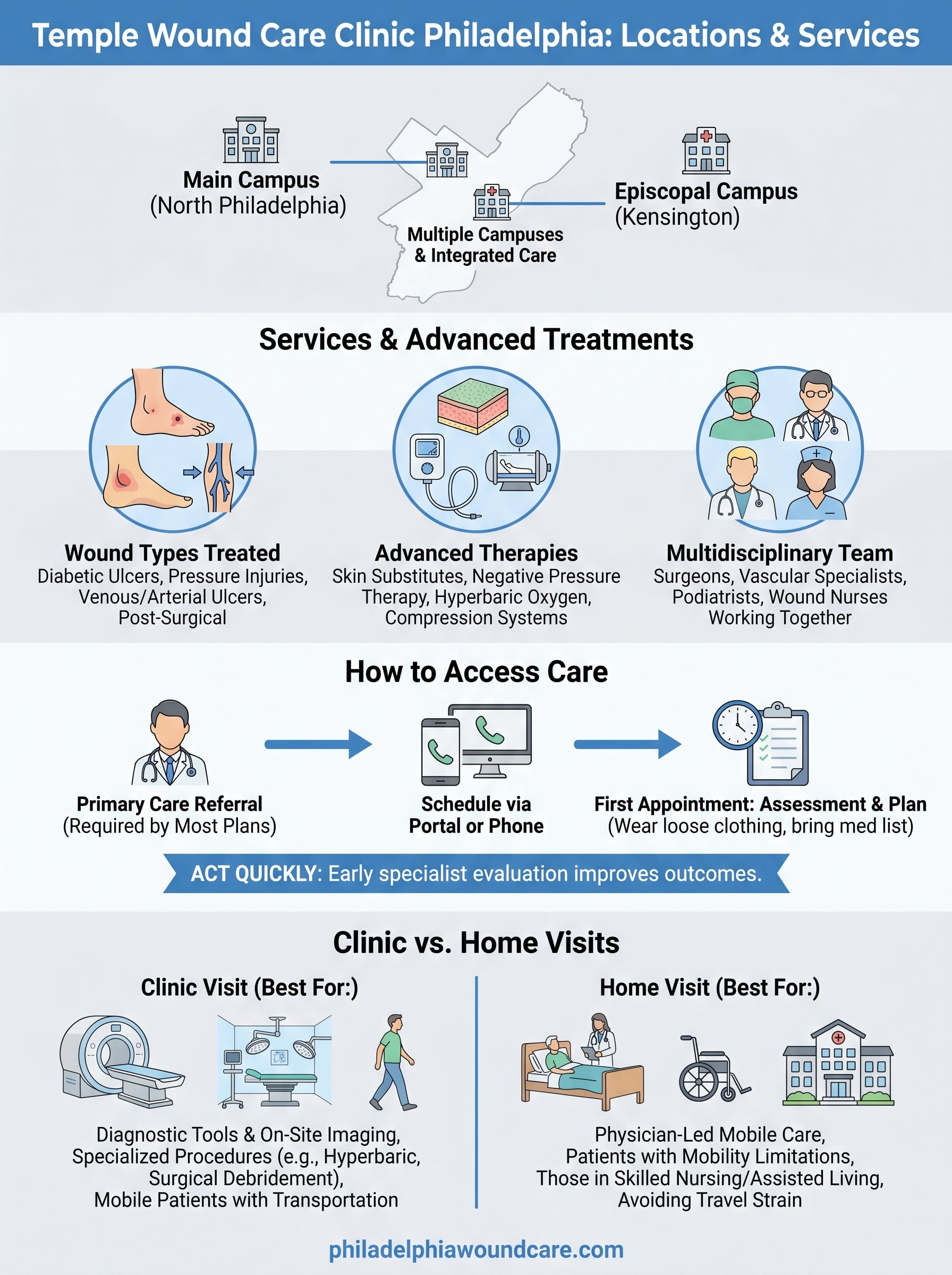
Temple Health runs wound care services at multiple campuses across Philadelphia, making it possible for patients from different neighborhoods to access specialist-level treatment without traveling across the entire city. The two primary locations most relevant to patients searching for a temple wound care clinic philadelphia are the Main Campus in North Philadelphia and the Episcopal Campus, which serves patients in a different part of the city. Knowing which campus aligns with your location and insurance plan helps you avoid delays when you most need care.
Main Campus and Episcopal Campus
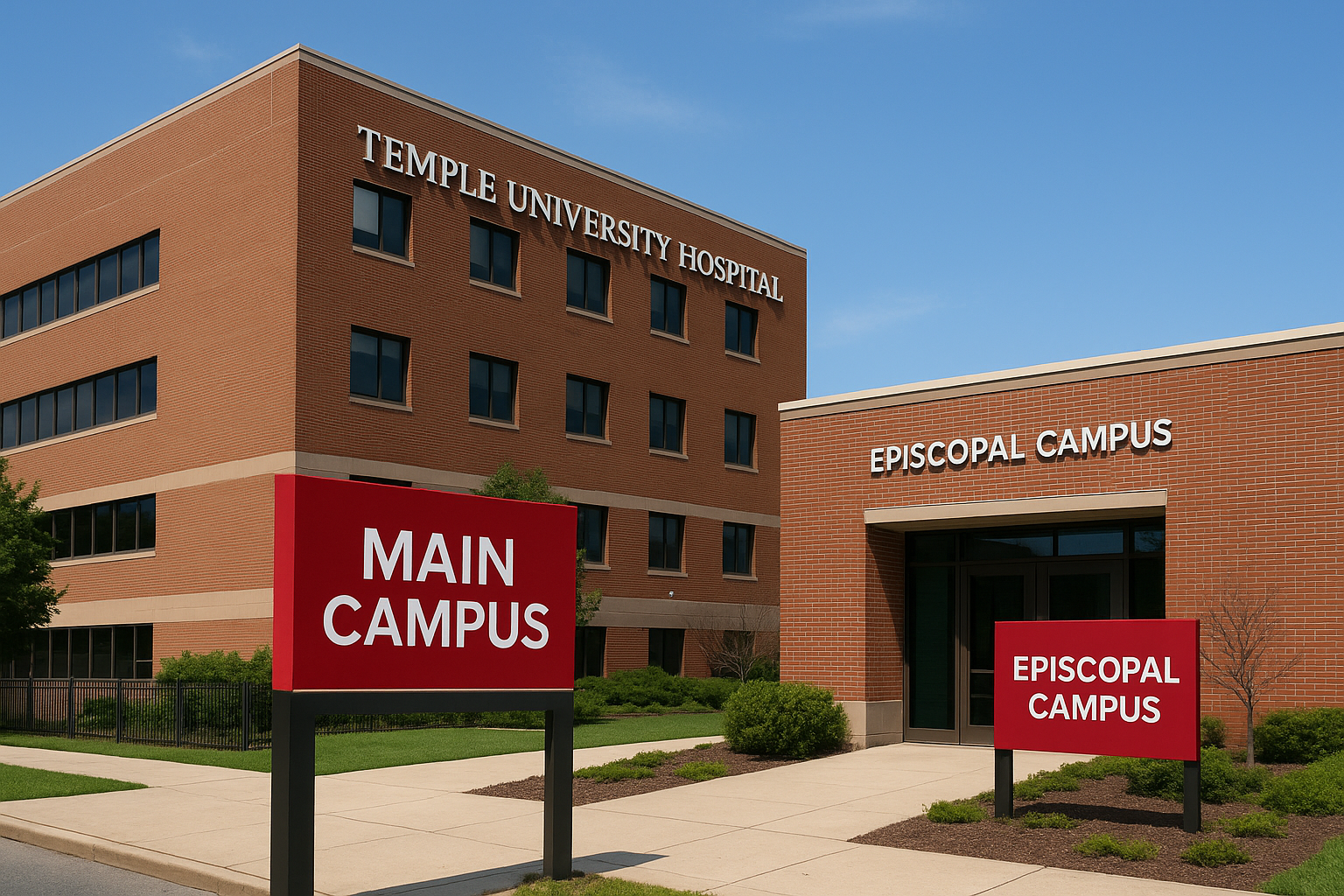
Temple University Hospital’s Main Campus on Broad Street in North Philadelphia is the flagship location. This campus houses the broadest range of surgical and specialty services, meaning wound care here is closely integrated with vascular surgery, orthopedics, and infectious disease when a case requires that kind of cross-disciplinary input. Patients with complex wounds tied to systemic conditions often benefit most from this campus because specialist consultations happen within the same system and often the same building.
Choosing a campus connected to surgical services matters most when your wound has already shown signs of infection, bone involvement, or poor vascular supply.
The Episcopal Campus, located in the Kensington area of North Philadelphia, provides wound care services for patients who find the Main Campus less accessible. Episcopal functions as a community-focused hospital within the Temple Health network, and its wound care program handles a significant volume of chronic wound cases, including diabetic foot ulcers and pressure injuries common in the surrounding population. Staff at both campuses share clinical protocols and documentation through Temple’s integrated health records system, so your care history follows you if you transfer between locations.
Confirming current availability before your visit
Clinic hours and specific program offerings can shift based on staffing and patient volume. Before traveling to either campus, call Temple Health directly or use their online scheduling portal to confirm the wound care clinic is accepting new patients and to verify that your insurance is accepted at your chosen location.
Services and advanced treatments offered
When you visit a temple wound care clinic philadelphia location, the clinical team assesses your wound based on tissue type, wound bed condition, infection status, and the underlying conditions driving the problem. Treatment is not a single procedure but a structured plan adjusted over multiple visits as your wound responds. Understanding what specific services are available helps you know what to ask for and what to expect at each stage.
Wound types the clinic treats
Temple’s wound care programs handle a broad range of chronic and complex wounds. The most common cases seen at both campuses include:
- Diabetic foot ulcers caused by neuropathy and poor circulation
- Pressure injuries (also called bedsores) at various stages of tissue damage
- Venous and arterial ulcers tied to circulation problems in the lower legs
- Post-surgical wounds that fail to close after a procedure
- Traumatic wounds with significant tissue loss or infection
Advanced therapies available
Beyond standard debridement and dressings, Temple’s wound care teams use cellular and tissue-based products, commonly called skin substitutes or allografts, to stimulate healing in wounds that have stopped responding to conventional treatment. These bioengineered products provide the biological signals that encourage your own tissue to regenerate and close the wound bed. For eligible patients, many of these treatments are covered under Medicare Part B, which removes a significant financial barrier to accessing them outside a hospital setting.
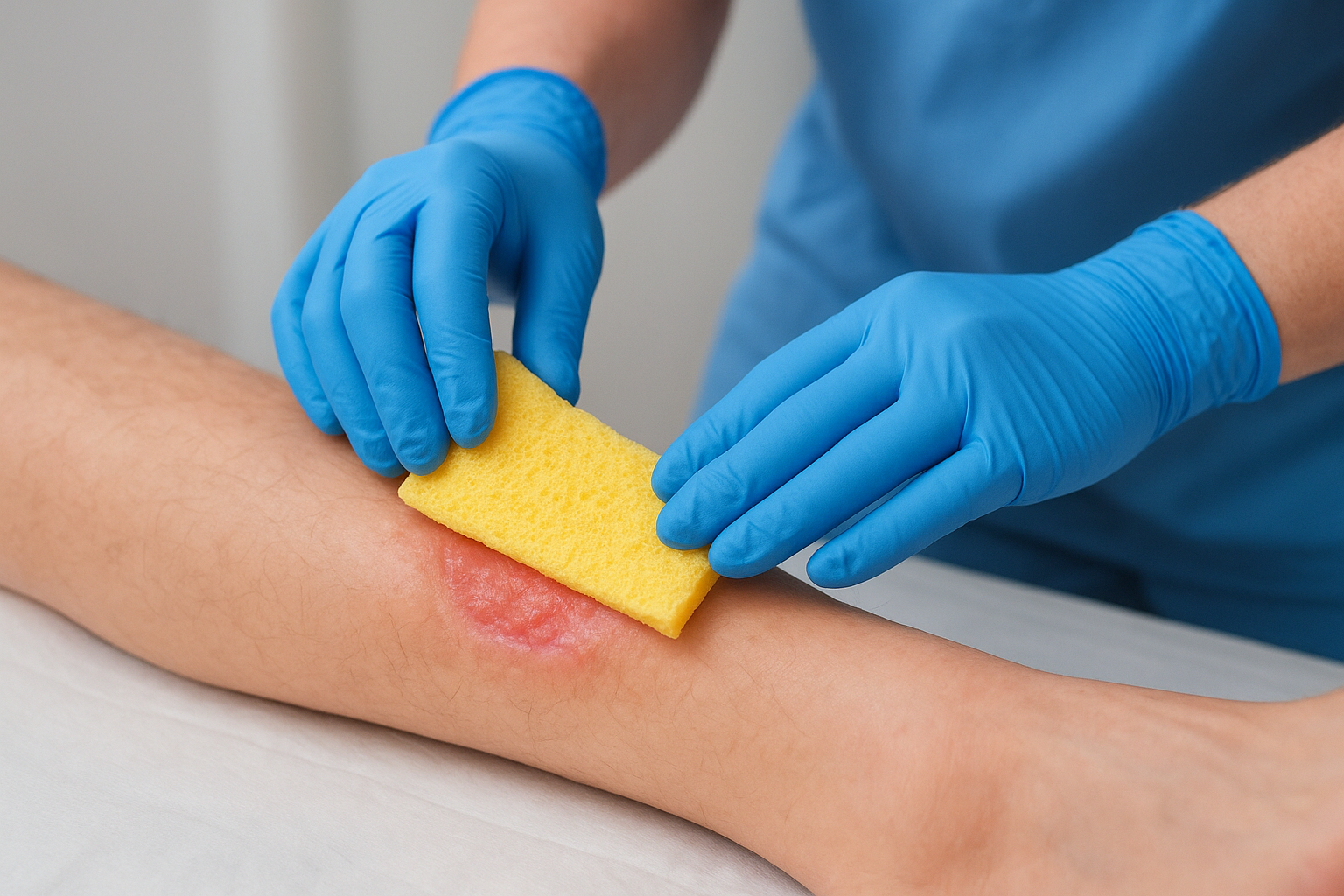
Negative pressure wound therapy, hyperbaric oxygen, and compression systems are also part of the clinical toolkit at Temple, each targeting a specific factor that slows healing.
For wounds tied to vascular disease, the team coordinates directly with vascular surgery specialists within the Temple system to address the underlying blood flow problem alongside the wound itself. Treating the wound without addressing circulation rarely produces lasting results, and having both services under one health system makes that coordination more straightforward for you.
How to get an appointment and what to expect
Booking care at a temple wound care clinic philadelphia location is more straightforward than many patients expect. You can request an appointment through Temple Health’s online patient portal or by calling the wound care department directly at your chosen campus. Most insurance plans, including Medicare, require a referral from your primary care physician, so contacting your doctor’s office before scheduling saves time and prevents delays in getting your first visit approved.
Getting a referral in place
Your primary care physician or a specialist who has already evaluated your wound can submit a referral directly to Temple’s wound care team. Gathering recent wound photos, lab results, and prior treatment records before that referral goes in helps the receiving team triage your case accurately. If your wound shows signs of active infection or rapid deterioration, tell your doctor clearly so the referral is flagged as urgent rather than routine.
Acting quickly matters: wounds that have been open for more than four weeks with no measurable progress are already classified as chronic, and the sooner a specialist evaluates them, the better your outcome options.
What your first appointment looks like
At your initial visit, the wound care team will conduct a full assessment of the wound bed, measuring its dimensions, evaluating tissue quality, and checking for signs of infection or poor blood supply. Expect this appointment to run longer than a standard office visit because the clinician needs time to document a detailed baseline before building your treatment plan.
You will likely leave with a scheduled follow-up and a clear explanation of next steps, including any lab work or imaging the team wants to order. Wearing loose, easy-to-remove clothing over the affected area makes the physical exam faster and more comfortable for you. Bringing a list of your current medications and any supplements is also worth doing since some of them directly affect wound healing and will factor into your care plan.
When to choose clinic care vs home visits
Both clinic-based care and mobile physician services can address serious wounds effectively, but the right choice depends on your specific health situation and your ability to travel safely. A temple wound care clinic philadelphia location gives you access to imaging, on-site specialists, and procedures that require clinical equipment. Home visits, on the other hand, bring physician-led evaluation and treatment directly to you, which eliminates the physical and logistical strain that clinic travel places on patients with mobility limitations or serious underlying conditions.
When clinic-based care is the right fit
A clinic is the better option when your wound requires diagnostic tools or procedures that cannot travel with a physician, such as on-site vascular imaging, hyperbaric oxygen therapy, or surgical debridement under sterile operating conditions. If your wound is connected to a vascular issue that may require an intervention, having vascular surgeons, wound specialists, and imaging all within the same building speeds up your care significantly. Patients who are medically stable, mobile with or without assistance, and have reliable transportation are generally well-positioned to get the most out of clinic-based wound care.
When a home visit makes more sense
If traveling to a clinic causes physical pain, risks a fall, or requires arranging transportation that disrupts your recovery, a mobile wound care physician is a more practical and often equally effective option. Patients recovering in skilled nursing facilities, assisted living communities, or at home after a hospital discharge often cannot safely make repeated clinic trips every one to two weeks. For these patients, physician-led home visits provide the same clinical evaluation, debridement, and advanced wound therapies without the added stress of travel.
Missing clinic appointments due to transportation or mobility barriers is one of the leading reasons chronic wounds fail to close on schedule.
Your wound does not stop changing between visits, so consistency of care matters more than the setting in which you receive it.
Next steps for getting wound care help
If you’ve been researching a temple wound care clinic philadelphia option, you now have a clear picture of what Temple Health offers, where their campuses are located, and what the process of getting care looks like. Your next step is simply to act. Wounds that receive specialist evaluation earlier in the healing process consistently show better outcomes than those left to standard care for months before a referral is made.
If traveling to a clinic is not realistic for you or your loved one, physician-led mobile wound care is a practical alternative that delivers the same level of clinical expertise directly to your home, nursing facility, or assisted living community. You do not have to choose between quality and convenience. Request mobile wound care in Philadelphia to learn how our team can evaluate and treat your wound without you leaving your current care setting.