

Outpatient Wound Care Management: What It Is & Who Needs It
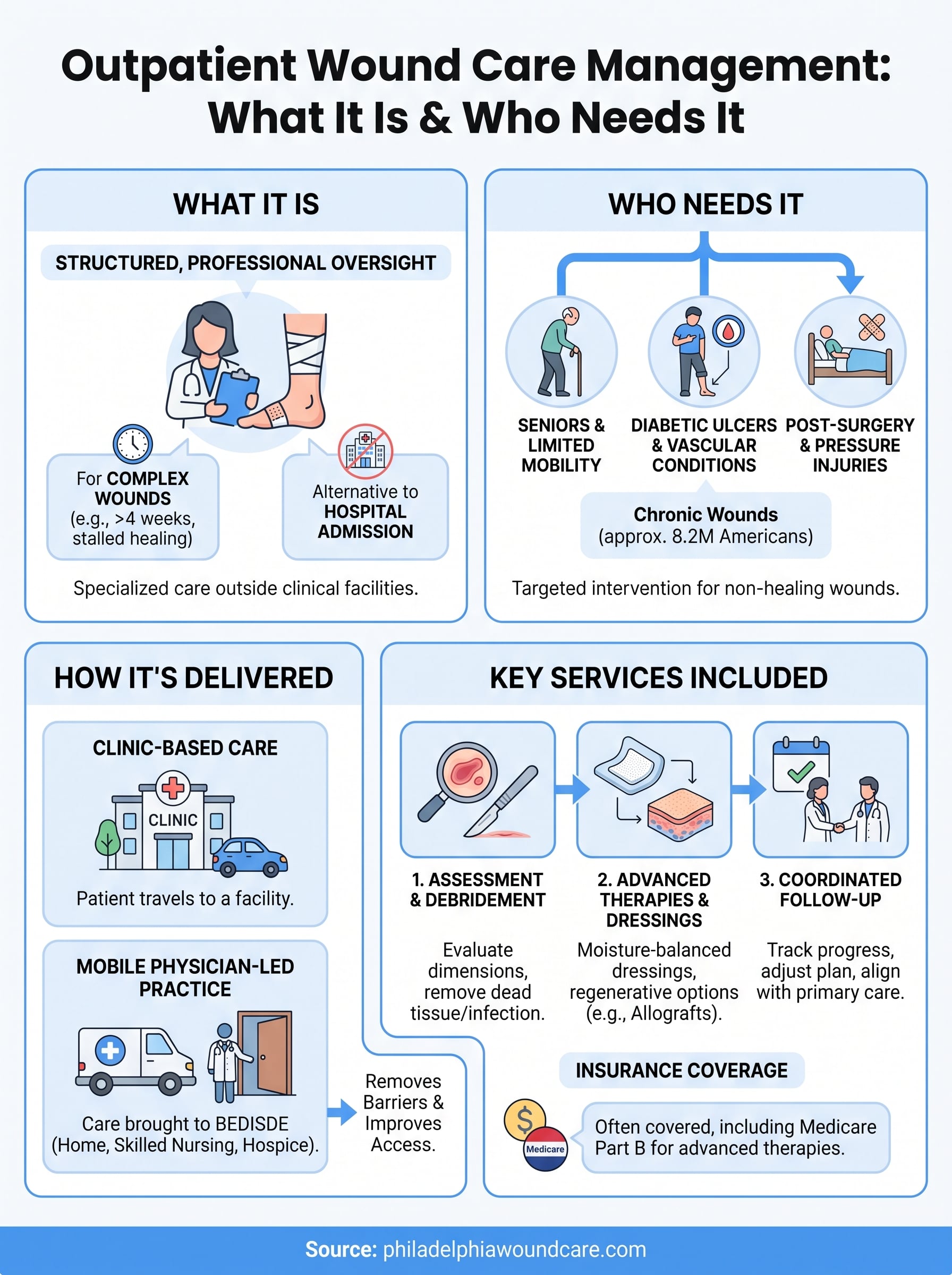
Chronic wounds affect roughly 8.2 million Americans, and many of those patients don’t need to be admitted to a hospital for treatment. Outpatient wound care management offers a structured alternative, one where patients receive professional medical oversight for complex wounds without staying overnight in a clinical facility. For people recovering from surgery, managing diabetic ulcers, or dealing with pressure injuries, this approach can make the difference between a wound that heals and one that stalls for months.
But outpatient care isn’t one-size-fits-all. Some patients visit a clinic. Others, particularly seniors, people with limited mobility, or residents of skilled nursing facilities, need that care brought to them. That’s exactly where a mobile, physician-led practice like Philadelphia Wound Care steps in. Our General Surgeon provides advanced wound treatments at the bedside, whether that’s a private home, an assisted living community, or a hospice setting across the Philadelphia area.
This article breaks down what outpatient wound care management actually involves, who benefits most from it, and how it differs from inpatient treatment. We’ll also cover the types of wounds typically managed on an outpatient basis, what to expect during treatment, and how insurance coverage, including Medicare Part B, applies to advanced therapies like allografts. If you or someone you care for is dealing with a wound that won’t heal, this guide will help you understand your options.
What outpatient wound care management includes
Outpatient wound care management is more than applying a fresh bandage. It covers a coordinated set of clinical services designed to assess, treat, and monitor wounds too complex for standard first aid but not severe enough to require hospital admission. The exact services you receive depend on your wound type, its severity, and how your body responds over time.
Assessment, debridement, and infection management
Every outpatient visit begins with a structured wound evaluation. Your provider measures wound dimensions, identifies tissue types, and checks for signs of infection or deterioration. Accurate documentation at each visit drives every treatment decision and creates a clear record for insurance billing, including Medicare Part B claims for advanced therapies.
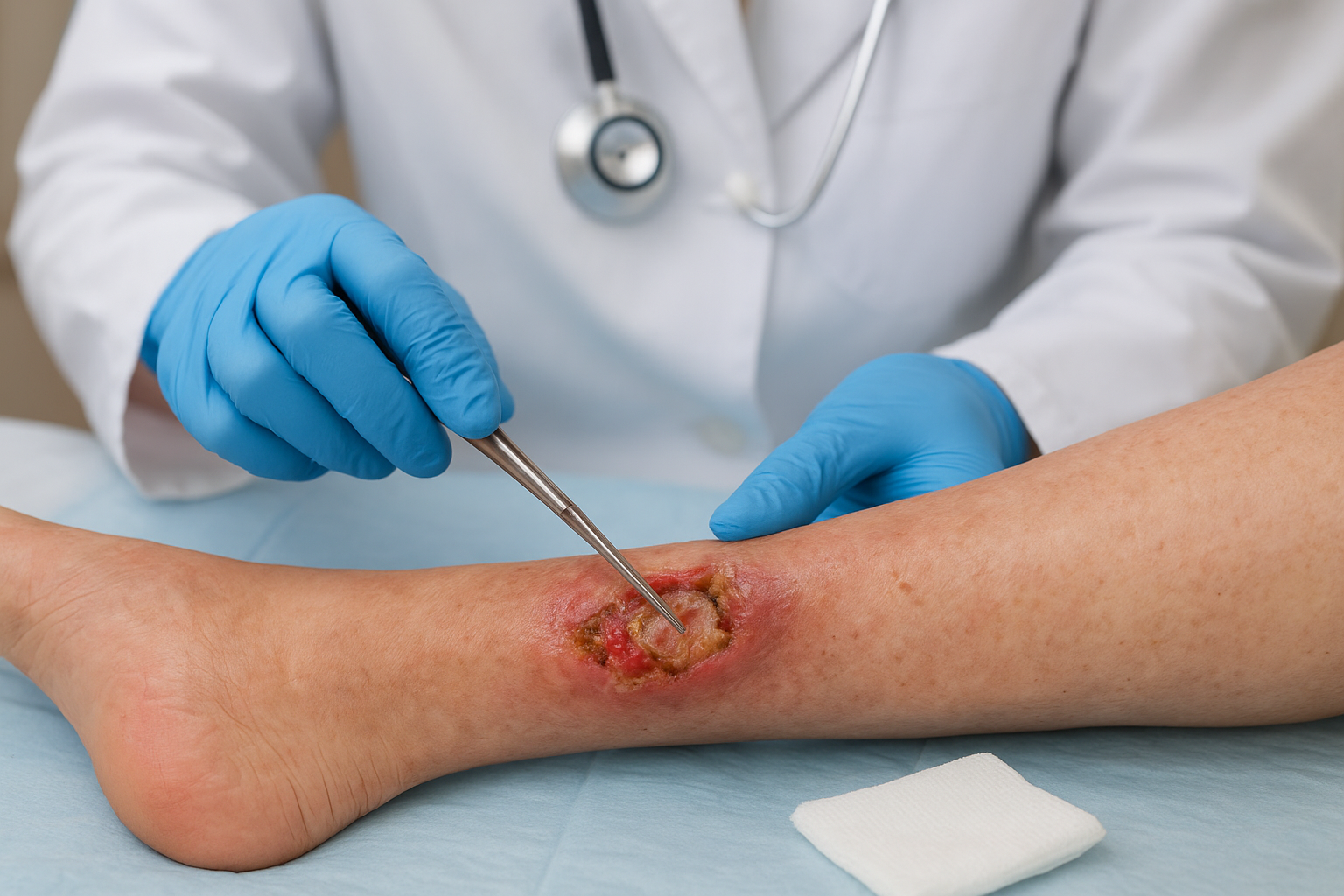
Once the wound is assessed, the focus shifts to removing anything that blocks healing. Debridement, the process of clearing dead or infected tissue, is one of the most common procedures performed. Your provider may use sharp instruments, enzymatic agents, or irrigation depending on what the wound needs. If infection is present, the wound is cultured and the appropriate antibiotics or topical antimicrobials are prescribed based on the results.
Untreated infection in a chronic wound can spread to surrounding tissue and bone within days, which is why early clinical evaluation matters.
Dressings, advanced therapies, and follow-up
Standard gauze does not provide the moisture-balanced environment that chronic wounds require. Outpatient providers select specialized dressings based on wound depth, drainage levels, and tissue condition. Options include foam dressings, hydrocolloids, silver-impregnated materials, and biofilm-disrupting agents. For wounds that fail to respond, providers can introduce regenerative therapies like allografts, which use bioengineered tissue to trigger healing at the cellular level.
Consistent follow-up is what separates managed care from one-time treatment. Your provider tracks progress at every appointment and adjusts the plan when the wound plateaus or changes. They also coordinate directly with your primary care physician, facility staff, or hospital discharge team to keep systemic factors, such as blood glucose control or vascular health, aligned with the wound treatment. That level of coordination reduces readmission risk and keeps your recovery on track.
Why chronic wounds need specialized outpatient care
A wound that hasn’t healed in four weeks is classified as chronic, and chronic wounds don’t respond the same way a minor cut does. Underlying conditions like diabetes, vascular disease, and poor nutrition disrupt the normal healing cycle at every stage. Without targeted intervention, these wounds stall in a persistent inflammatory state and keep getting worse.
The biology behind non-healing wounds
Your body heals in four overlapping stages: hemostasis, inflammation, proliferation, and remodeling. In chronic wounds, the inflammatory phase gets stuck, flooding the wound site with destructive enzymes that break down new tissue as fast as your body builds it.
That cycle won’t break on its own. You need a provider who can identify exactly where the process has stalled and apply the right therapy to restart it, whether that’s debridement, a regenerative dressing, or allograft therapy.
A wound that stays in the inflammatory phase for more than a month carries a significantly higher risk of deep infection, bone involvement, or amputation if left unmanaged.
Why standard primary care falls short
Most primary care physicians manage acute health concerns and don’t carry the specialized tools or training for complex wound management. Outpatient wound care management fills that gap directly. A wound specialist brings diagnostic precision, advanced dressings, and regenerative treatments that a general practice visit simply can’t provide. For patients managing multiple chronic conditions at once, that level of focused clinical oversight is what separates a wound that closes from one that lingers for years.
Who should see an outpatient wound specialist
Not every wound requires a hospital stay, but some clearly need more than a bandage and a follow-up with your primary care doctor. Outpatient wound care management is the right choice when a wound has been present for four or more weeks, shows signs of infection, or involves an underlying condition that directly disrupts healing. Waiting longer than necessary increases the risk of complications that are harder to reverse.
Patients with chronic conditions
If you have diabetes, vascular disease, or a compromised immune system, your risk of developing a non-healing wound is significantly higher than average. Diabetic foot ulcers and venous leg ulcers are two of the most common wound types that require specialist involvement. These wounds often look minor on the surface but involve deep tissue damage that a standard clinical visit won’t catch or treat adequately.
Approximately 15% of people with diabetes will develop a foot ulcer during their lifetime, and without proper management, that ulcer can lead to amputation.
Patients who can’t easily travel to a clinic
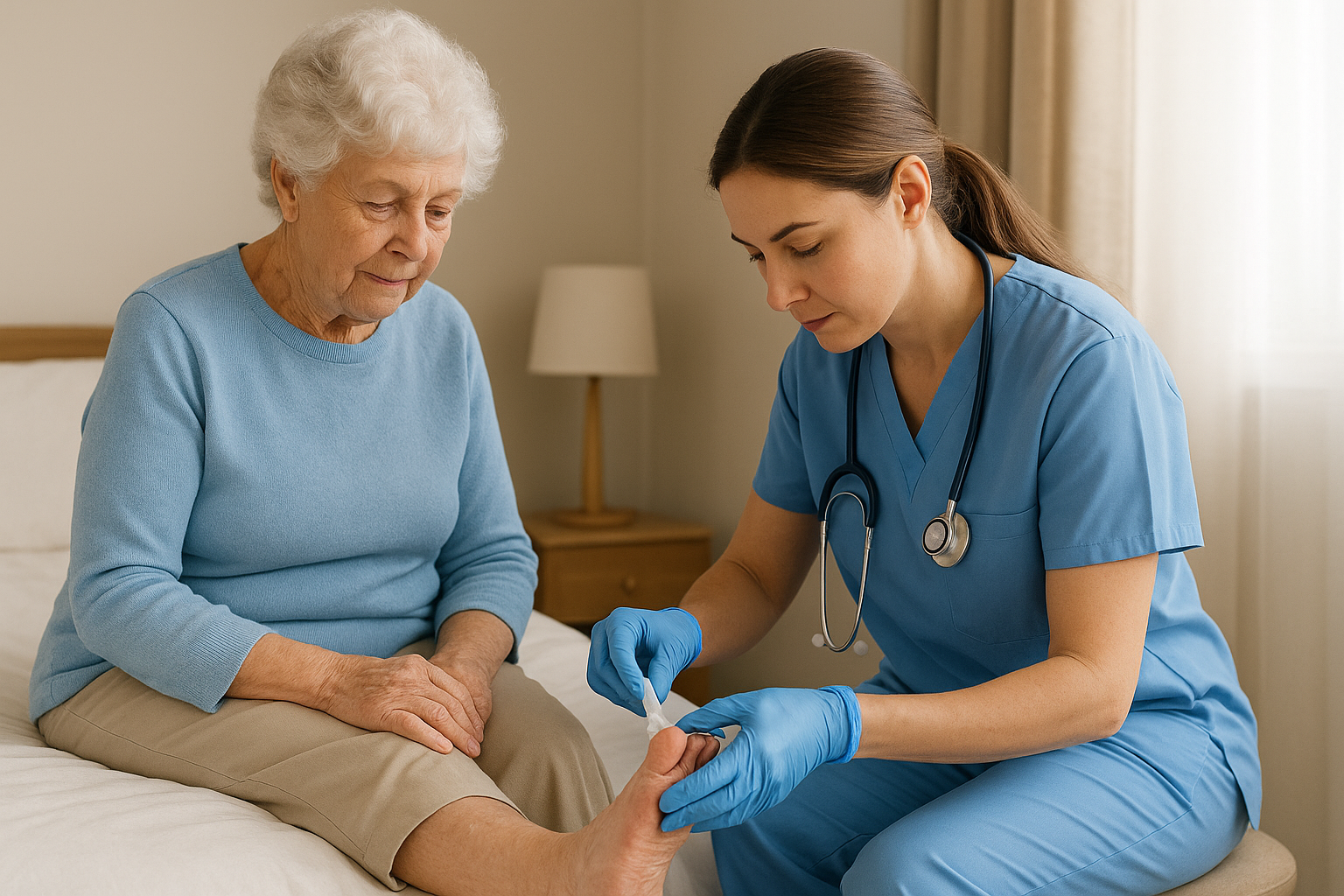
Mobility limitations shouldn’t prevent you from accessing specialist-level wound care. Seniors recovering at home, residents in skilled nursing facilities, and patients in hospice settings face real barriers getting to a traditional clinic. A mobile physician-led practice removes that barrier entirely by bringing the same advanced treatments directly to your bedside. If you or a family member can’t travel reliably, asking your discharge team or primary care provider about mobile outpatient wound care options is a practical and immediate next step.
What to expect at an outpatient wound visit
Walking into your first outpatient wound care management appointment can feel uncertain, especially if the wound has been present for a while without improvement. Knowing the structure of a typical visit helps you prepare and communicate clearly with your provider. Most visits follow a predictable sequence from intake and evaluation through treatment and discharge planning.
Your initial evaluation
Your provider starts by reviewing your medical history and any underlying conditions that affect healing, such as diabetes or vascular disease. They then examine the wound directly, measuring its size, depth, and tissue quality while photographing and documenting findings at every visit to support ongoing treatment decisions and insurance documentation, including Medicare Part B claims for advanced therapies.
Your first visit sets the baseline for every treatment decision that follows, so bring your full medication list and any details about previous wound treatments you’ve tried.
Treatment and next steps
After the assessment, your provider cleans and debrides the wound as needed and applies the dressing or advanced therapy that best matches the wound’s current condition. The selection depends on drainage levels, tissue type, and how the wound has responded to any prior treatment. Before you leave, you receive clear home-care instructions covering what to watch for and when to call your provider.
Your follow-up schedule depends on how the wound is progressing, but most patients return within one to two weeks. Consistent return visits allow your provider to adjust the treatment plan quickly if the wound plateaus or shows new signs of infection between appointments.
Common treatments used in outpatient wound care
The range of treatments available in outpatient wound care management has expanded significantly over the past decade. What your provider selects depends on the wound type, tissue condition, and how the wound has responded to prior treatment. No single treatment works for every wound, and part of what makes specialist care effective is matching the right intervention to the right stage of the healing process. Understanding the most common options helps you ask better questions and set realistic expectations for your recovery timeline.
Debridement and antimicrobial therapy
Debridement removes dead or infected tissue that physically blocks new cell growth. Your provider chooses the method based on wound depth and tissue quality, whether that’s sharp debridement with instruments, enzymatic agents, or sterile irrigation. When infection is confirmed through wound culture, targeted antimicrobial treatment follows immediately to stop bacterial spread before it reaches deeper tissue or bone.
Removing non-viable tissue is often the single most important step in restarting the healing process in a stalled chronic wound.
Regenerative and advanced dressing therapies
Standard gauze doesn’t create the controlled environment a chronic wound needs. Your provider selects moisture-balanced specialty dressings such as foam, hydrocolloid, or silver-containing materials to match the wound’s drainage level and tissue type. For wounds that still don’t respond, allograft and regenerative therapies introduce bioengineered tissue components that signal your body to resume the healing cycle at the cellular level. These treatments are covered under Medicare Part B, which removes a significant financial barrier for eligible patients.
Next steps if a wound is not healing
A wound that hasn’t closed after four weeks needs more than patience. The longer a chronic wound stays unmanaged, the higher your risk of infection, deep tissue damage, and complications that are much harder to reverse once they take hold. If your wound has plateaued, is growing, or is showing new signs of infection, scheduling a specialist evaluation is the right move now, not something to put off until the situation becomes urgent.
Outpatient wound care management gives you access to physician-led evaluation, advanced dressings, and regenerative therapies without requiring a hospital admission. If mobility or distance makes getting to a clinic difficult, a mobile wound care practice removes that barrier entirely by bringing specialist care directly to your home, skilled nursing facility, or hospice setting. Waiting longer only narrows your treatment options.
Request a wound care evaluation with Philadelphia Wound Care and get a clear, personalized treatment plan started today.